 Get an appointment within days, not weeks or months


Joint pain doesn’t just hurt—it steals your mobility, disrupts your sleep, and keeps you from the activities that make life worth living. Whether it’s a knee that aches with every step or a shoulder that limits your golf swing, chronic joint pain affects approximately 58.5 million American adults, and Arizona’s active population is no exception.
PRP injections use your body’s own healing factors—concentrated platelets drawn from your blood—to reduce inflammation, repair damaged tissue, and promote natural joint regeneration without surgery or long-term medication dependence. At Arizona Pain and Spine Institute, Dr. Asim Khan and Dr. Daniel Ryklin have helped thousands of Phoenix-area patients find lasting relief through this advanced regenerative approach.
This guide explains how PRP works, what conditions it treats, and what East Valley patients can expect from treatment at our Mesa, Gilbert, and Queen Creek locations.
Understanding Joint Pain and Why Conventional Treatments Fall Short
Joint pain develops when cartilage breaks down, tendons become inflamed, or ligaments sustain damage from injury or repetitive use. For East Valley residents—whether you’re commuting daily on the 202 and 60, hiking Usery Mountain on weekends, or playing pickleball at one of Gilbert’s active-adult communities—your joints absorb significant stress.
The desert climate adds another layer of challenge. Low humidity can affect joint fluid viscosity, and the dramatic temperature swings during monsoon season often intensify arthritis symptoms. Many Phoenix-area patients report that their joint pain worsens during Arizona’s summer months.
Get Back Your Normal Life Again
As pain specialists, we can guarantee that we are more than qualified in alleviating your pain and treating your condition.
Conventional approaches often leave patients caught between inadequate options:
- Over-the-counter medications mask symptoms temporarily but do nothing to heal underlying tissue damage
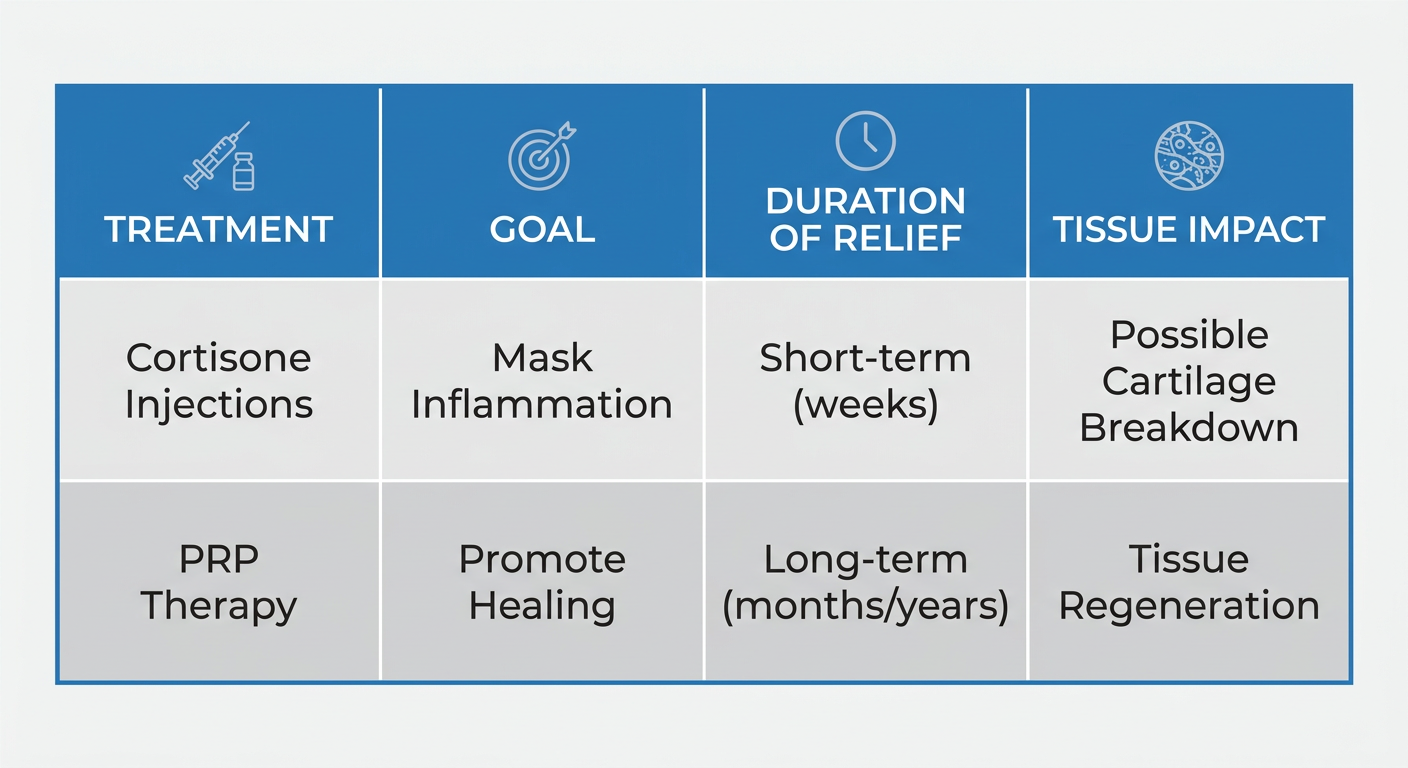
- Cortisone injections provide short-term relief but may actually accelerate cartilage breakdown with repeated use, according to research published in Radiology
- Opioid medications carry addiction risks and cognitive side effects without addressing the pain source
- Joint replacement surgery requires months of recovery, carries surgical risks, and should be a last resort—not a first option
This gap between temporary relief and invasive surgery is exactly why regenerative medicine has transformed pain management. Patients deserve treatments that actually heal tissue rather than merely numbing symptoms.
How PRP Injections Work: The Science Behind Regenerative Healing
Platelet-rich plasma therapy harnesses your body’s natural healing mechanisms and concentrates them precisely where damaged tissue needs repair. Here’s how the process works:
Your blood contains platelets—specialized cells that rush to injury sites to initiate healing. Platelets release growth factors that signal your body to reduce inflammation, generate new blood vessels, and rebuild damaged tissue. Under normal circumstances, only a limited number of platelets reach chronic injury sites.
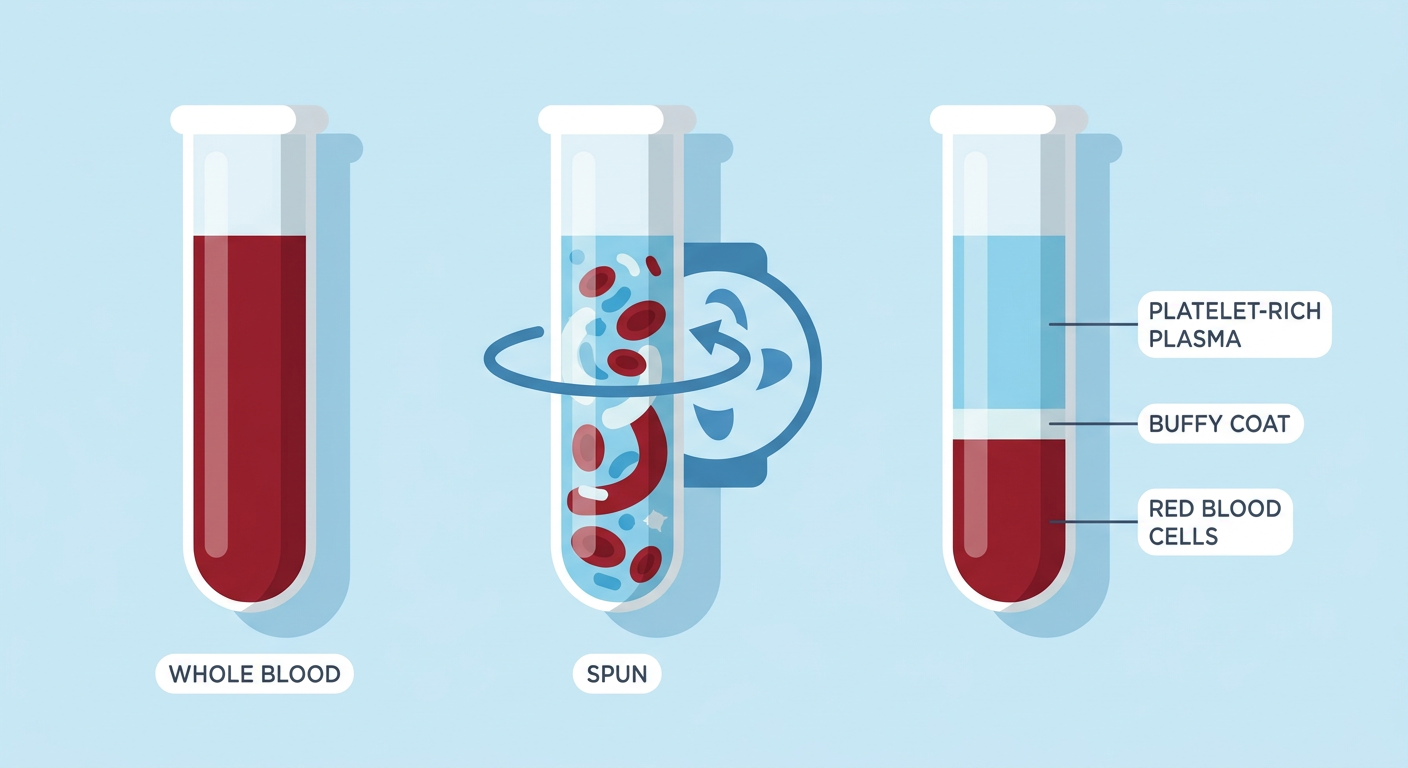
Dr. Khan and Dr. Ryklin at Arizona Pain and Spine Institute draw a small sample of your blood, then process it in a centrifuge to isolate and concentrate the platelets—typically achieving concentrations 5 to 10 times higher than normal blood. This platelet-rich plasma is then injected directly into the damaged joint using imaging guidance for precision placement.
Once injected, the concentrated growth factors trigger a cascade of healing responses:
- Reduced inflammation in the joint capsule
- Stimulation of cartilage cell production
- Enhanced collagen synthesis for tendon and ligament repair
- Improved blood flow to the treatment area
A systematic review in the American Journal of Sports Medicine found that PRP injections demonstrated superior outcomes compared to hyaluronic acid injections for knee osteoarthritis, with patients reporting improved function and reduced pain lasting 12 months or longer.
What Arizona Pain and Spine Institute Treats with PRP
Dr. Khan and Dr. Ryklin customize PRP therapy for a wide range of joint and soft tissue conditions. Their focus is treating pain at its source rather than masking symptoms with medication—a philosophy that has guided the practice since its founding in 2016.
Knee Pain and Osteoarthritis
The knee is the most common joint treated with PRP. Whether your knee pain stems from arthritis, a meniscus tear, or tendon damage, PRP can reduce inflammation and stimulate cartilage repair. Many patients who were told they needed knee replacement have found significant improvement through regenerative treatment instead.
Shoulder Injuries
Rotator cuff tears, shoulder impingement, and chronic bursitis respond well to PRP therapy. Shoulder joint pain often develops gradually from repetitive overhead motions—common among Arizona golfers and tennis players—and PRP addresses the underlying tissue damage.
Hip Conditions
Hip arthritis and labral tears can severely limit mobility. PRP injections delivered under imaging guidance reach the precise location of damage within the hip joint, promoting healing in areas that have limited blood supply naturally.
Sports Injuries
Tendon injuries including Achilles tendinitis, tennis elbow, and hamstring strains benefit from PRP’s tissue-regenerating properties. Professional and recreational athletes alike use PRP to accelerate recovery and return to activity faster than with rest alone.
Don’t let joint pain control your life. Schedule a consultation with Dr. Khan or Dr. Ryklin at Arizona Pain and Spine Institute to find out if PRP is right for you. Call (480) 986-7246 or book online. Locations in Mesa, Gilbert, and Queen Creek.
PRP vs. Other Regenerative Options: What’s the Difference?
Arizona Pain and Spine Institute offers multiple regenerative approaches, and Dr. Khan and Dr. Ryklin recommend the best option based on your specific condition, severity, and treatment goals.
PRP therapy uses your own blood, making it a same-day procedure with minimal preparation. It’s particularly effective for tendon injuries, mild to moderate arthritis, and patients seeking a natural, autologous (from your own body) treatment.
Amniotic stem cell therapy—Arizona Pain and Spine Institute’s flagship regenerative treatment—provides even more potent healing factors and is often recommended for more advanced joint degeneration or patients who haven’t achieved full relief from PRP alone. Stem cell therapy contains growth factors, cytokines, and hyaluronic acid that work synergistically to rebuild damaged tissue.
The practice also offers interventional procedures like joint injections and nerve blocks that can complement regenerative treatments for comprehensive pain management.
During your consultation, the doctors evaluate your imaging, medical history, and treatment goals to recommend the approach most likely to deliver lasting results. Many patients combine PRP with other minimally invasive procedures for optimal outcomes.
What to Expect as a Phoenix-Area Patient
Your Consultation
Dr. Khan and Dr. Ryklin take time to understand your pain—when it started, what makes it worse, and how it affects your daily life. They review imaging studies, discuss previous treatments you’ve tried, and explain whether PRP or another regenerative option offers the best path forward.
This isn’t a rushed appointment. The doctors believe informed patients make better decisions about their care, and they answer every question before recommending treatment.
The PRP Procedure
PRP treatment takes approximately 30 to 60 minutes and is performed in-office at any of the three Arizona Pain and Spine Institute locations. The process includes:
- A small blood draw from your arm—similar to routine lab work
- Processing your blood in a specialized centrifuge to concentrate the platelets
- Imaging-guided injection of the PRP directly into the treatment area
Most patients describe mild discomfort during the injection, significantly less than they expected. No general anesthesia is required, and you’ll be awake throughout the procedure.
Recovery and Results
Unlike surgery, PRP requires no lengthy recovery period. You may experience temporary soreness at the injection site for a few days—this is actually a sign that the healing response has been activated. Most patients return to daily activities within 24 to 48 hours, though strenuous exercise should be avoided for one to two weeks.
Results develop gradually as tissue regeneration occurs. Many patients notice improvement within two to four weeks, with continued healing over the following months. Some conditions benefit from a series of injections spaced several weeks apart.
Insurance and FastTrack Access
Arizona Pain and Spine Institute works with most insurance plans for covered treatments. For patients who need treatment immediately or prefer to bypass insurance delays, the FastTrack cash-pay program offers same-day appointments with transparent pricing.
The practice has patients who travel from across Arizona and out of state specifically for regenerative treatment—a testament to the expertise Dr. Khan and Dr. Ryklin have developed since founding the practice in 2016.
Is PRP Right for Your Joint Pain?
PRP works best for patients who want to avoid surgery, reduce their dependence on pain medications, and address the actual source of their pain rather than masking symptoms. Ideal candidates include:
- Adults with mild to moderate joint arthritis
- Athletes with tendon or ligament injuries
- Patients who haven’t found lasting relief from cortisone injections
- Those seeking to delay or avoid joint replacement surgery
- Active individuals who want to return to the activities they love
PRP may not be appropriate for patients with advanced bone-on-bone arthritis, active infections, or certain blood disorders. Dr. Khan and Dr. Ryklin evaluate each patient individually and provide honest guidance about expected outcomes.
Why Phoenix Patients Choose Arizona Pain and Spine Institute
When you’re researching Arizona pain management options, credentials and experience matter. Dr. Khan and Dr. Ryklin are both board-certified pain specialists who have dedicated their careers to non-surgical, minimally invasive treatment. Their goal is simple: get patients off medications when possible and help them avoid surgery when alternative treatments can deliver results.
The practice has three convenient locations throughout the East Valley—Mesa, Gilbert, and Queen Creek—so effective treatment is never far from home. Patient testimonials consistently highlight the personalized attention, the doctors’ willingness to explain treatment options thoroughly, and the life-changing results regenerative medicine has provided.
Can PRP injections help bone-on-bone arthritis?
PRP is most effective for mild to moderate arthritis where some cartilage remains. For advanced bone-on-bone cases, Dr. Khan and Dr. Ryklin may recommend amniotic stem cell therapy or a combination approach. During your consultation, the doctors review your imaging and provide honest guidance about which treatment offers the best chance of meaningful improvement.
How many PRP treatments will I need for knee pain?
Most patients experience significant improvement from one to three PRP injections spaced several weeks apart. The number depends on your condition’s severity and your body’s healing response. Dr. Ryklin monitors your progress and adjusts the treatment plan based on how you’re responding.
Does insurance cover PRP injections in Arizona?
Coverage varies by insurance plan and diagnosis. Arizona Pain and Spine Institute’s team verifies your benefits before treatment. For patients without coverage or those wanting immediate access, the FastTrack cash-pay program provides same-day appointments. Contact the office at (480) 986-7246 for specific information about your situation.
Take the First Step Toward Lasting Joint Pain Relief
You don’t have to choose between living with pain and undergoing major surgery. PRP injections offer Phoenix-area patients a scientifically-backed path to healing—one that works with your body’s natural regenerative capacity rather than against it.
Dr. Asim Khan and Dr. Daniel Ryklin at Arizona Pain and Spine Institute have helped thousands of East Valley patients reclaim their mobility and quality of life through regenerative medicine. Whether you’re dealing with knee arthritis, a chronic shoulder injury, or hip pain that limits every step, personalized treatment is available.
Call (480) 986-7246 or schedule your consultation online. Convenient locations in Mesa, Gilbert, and Queen Creek mean expert care is close to home.
Frequently Asked Questions
How long do PRP injection results last?
PRP results typically last 6 to 12 months or longer, depending on the condition treated and its severity. Many patients experience continued improvement over time as tissue regeneration progresses. Dr. Khan and Dr. Ryklin may recommend maintenance treatments for chronic conditions to sustain optimal results.
Are PRP injections painful?
Most patients report mild discomfort during the injection, similar to other joint injections. Dr. Ryklin uses imaging guidance for precise placement, which minimizes tissue disruption. Local anesthetic numbs the area before injection. Post-procedure soreness typically resolves within a few days.
Where can I get PRP injections near Mesa, Arizona?
Arizona Pain and Spine Institute offers PRP injections at three East Valley locations: East Mesa, Mesa/Gilbert, and Queen Creek. Dr. Khan and Dr. Ryklin provide personalized regenerative treatment for patients throughout the Phoenix metro area. Call (480) 986-7246 to schedule at the location most convenient for you.
Is PRP better than cortisone injections for joint pain?
PRP promotes actual tissue healing, while cortisone only reduces inflammation temporarily. Research suggests repeated cortisone may accelerate cartilage breakdown. Dr. Khan recommends PRP for patients seeking longer-lasting relief without the potential downsides of steroid injections. Each patient’s situation is evaluated individually.
Can I avoid knee surgery with PRP treatment?
Many patients have successfully avoided or delayed knee replacement through PRP therapy. Results depend on your arthritis severity and overall joint health. Dr. Khan and Dr. Ryklin evaluate your imaging and provide honest guidance about whether PRP offers a realistic alternative to surgery for your specific condition.
The statements on this blog are not intended to diagnose, treat, cure, or prevent any disease. The information provided reflects published medical research and Arizona Pain and Spine Institute’s clinical expertise. Individual results vary based on condition, severity, and treatment response. Always consult Dr. Khan, Dr. Ryklin, or your personal physician for specific medical advice. For appointments, call (480) 986-7246 or visit gotpainarizona.com.