 Get an appointment within days, not weeks or months



Living with knee arthritis means every step reminds you of what you’ve lost—the morning hikes at Camelback Mountain, the golf rounds at Troon North, the simple act of walking through Old Town Scottsdale without wincing. According to the Centers for Disease Control and Prevention, approximately 32.5 million Americans live with osteoarthritis, and the knee remains the most commonly affected joint. If you’re exploring alternatives to knee replacement surgery, stem cell therapy for knee arthritis offers Scottsdale patients a regenerative approach that promotes actual tissue healing rather than masking symptoms with medication or committing to major surgery.
Dr. Asim Khan and Dr. Daniel Ryklin at Arizona Pain and Spine Institute specialize in amniotic stem cell therapy—a regenerative treatment that harnesses your body’s natural healing mechanisms to reduce inflammation and repair damaged cartilage. This guide covers everything Scottsdale and East Valley patients need to know before choosing a stem cell clinic, including how the treatment works, what separates effective clinics from marketing-driven practices, and what realistic outcomes look like.
Understanding Knee Arthritis and Why Conventional Treatments Often Fall Short
Knee osteoarthritis develops when the protective cartilage cushioning your joint gradually breaks down, causing bone-on-bone friction, inflammation, and progressive pain. The wear patterns intensify with age, weight, and repetitive stress—which is why so many active Scottsdale residents find themselves struggling despite healthy lifestyles. Years of tennis at the courts, running along the Greenbelt, or even the constant in-and-out of your vehicle while navigating the 101 and Scottsdale Road traffic all contribute to cumulative joint stress.
Conventional treatment typically follows a predictable escalation. Doctors start with anti-inflammatory medications and physical therapy. When those stop working, cortisone injections provide temporary relief—sometimes weeks, sometimes months—before the pain returns. Eventually, the conversation shifts to partial or total knee replacement surgery, a major procedure requiring months of rehabilitation and carrying risks of infection, blood clots, and implant failure.
Research published in the Journal of Clinical Medicine confirms what many patients experience: cortisone injections may actually accelerate cartilage degeneration over time. This creates a frustrating cycle where short-term relief trades off against long-term joint health. For Scottsdale patients who want to stay active for decades to come, this trade-off feels unacceptable.
Get Back Your Normal Life Again
As pain specialists, we can guarantee that we are more than qualified in alleviating your pain and treating your condition.
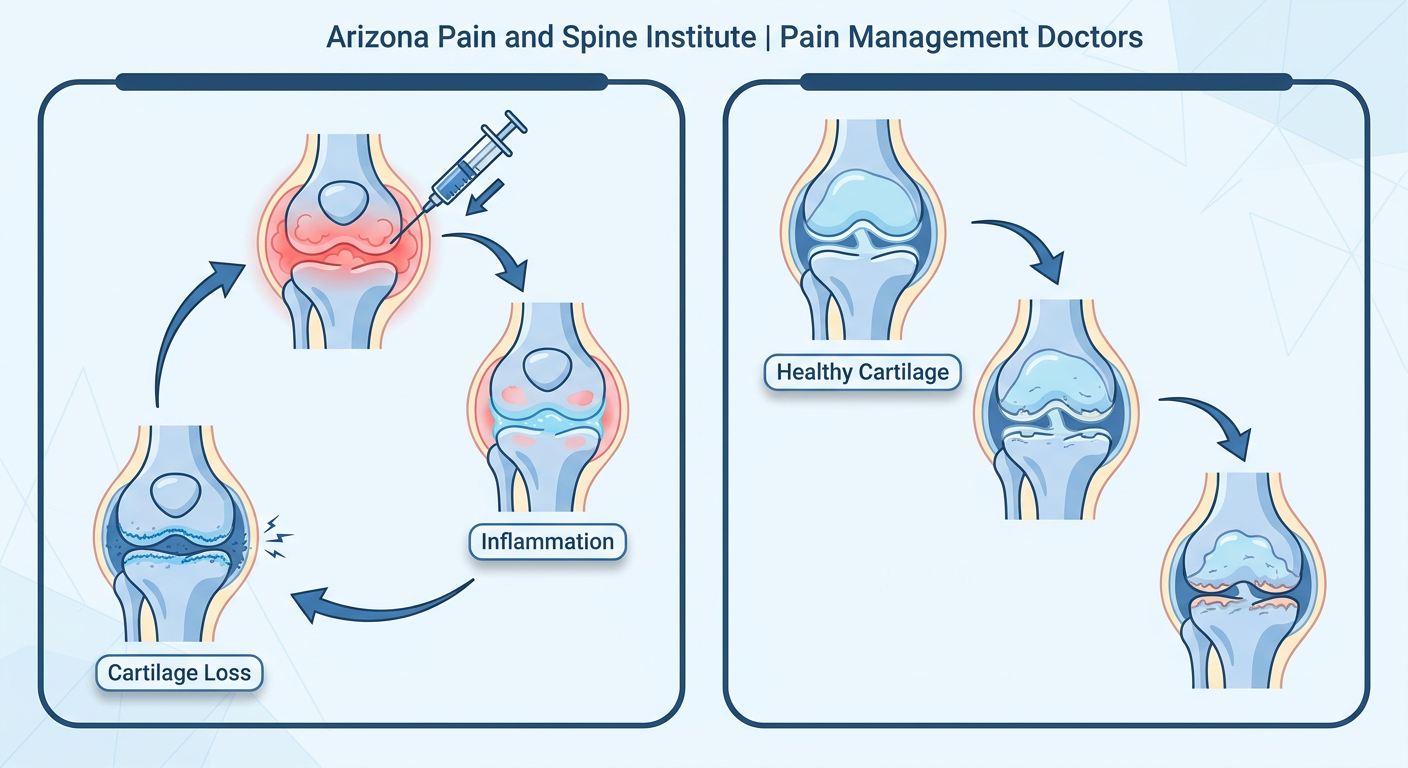
Traditional cortisone treatments often mask pain temporarily while the underlying cartilage continue to degrade.
Dr. Khan sees distinct patterns in his East Valley patients: active adults in their 50s and 60s who aren’t ready for knee replacement, weekend athletes dealing with progressive stiffness, and professionals whose careers depend on mobility. These patients need something between “take more ibuprofen” and “schedule surgery.”
How Amniotic Stem Cell Therapy Works for Knee Arthritis
Regenerative medicine at Arizona Pain and Spine Institute takes a fundamentally different approach from conventional treatments. Rather than masking inflammation or replacing the joint entirely, amniotic stem cell therapy introduces powerful growth factors and regenerative cells directly into your damaged knee to promote natural tissue repair.
The amniotic membrane—sourced from donated placental tissue following healthy births—contains concentrated growth factors, cytokines, and extracellular matrix proteins that signal your body to reduce inflammation and regenerate cartilage. Unlike cortisone, which suppresses inflammation temporarily without addressing underlying damage, stem cell therapy triggers your body’s own healing cascade.
Dr. Ryklin explains that the procedure involves precisely injecting the regenerative material into your knee joint using imaging guidance to ensure accurate placement. The entire treatment typically takes less than an hour, and most patients return to daily activities the same day—a stark contrast to the weeks of immobility following surgical intervention.
What makes amniotic stem cell therapy different from other regenerative options? The amniotic membrane contains hyaluronic acid (which lubricates the joint), collagen (which provides structural support), and anti-inflammatory cytokines (which calm the chronic inflammation driving your pain). This combination addresses multiple aspects of knee arthritis simultaneously rather than targeting a single pathway.
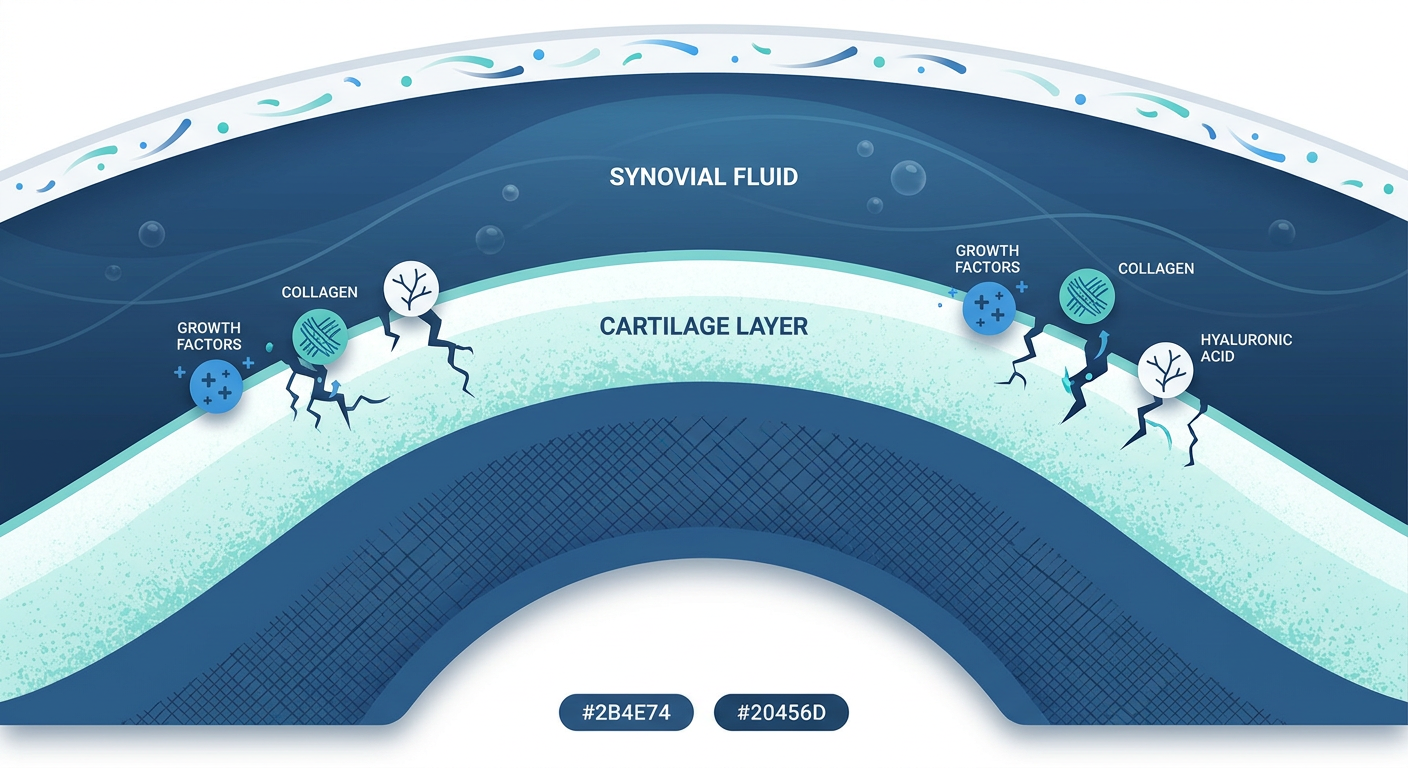
Amniotic therapy introduces growth factors that help stabilize and repair the joint’s natural environment.
Arizona Pain and Spine Institute’s regenerative medicine program has helped patients from across Arizona and neighboring states avoid knee replacement surgery. Dr. Khan and Dr. Ryklin’s goal remains consistent: treat pain at its source rather than mask symptoms with medication, and preserve your natural joint whenever possible.
Don’t let knee arthritis dictate your life. Schedule a consultation with Dr. Khan or Dr. Ryklin at Arizona Pain and Spine Institute to learn whether stem cell therapy is right for your knee. Call (480) 986-7246 or book online. Locations in Mesa, Gilbert, and Queen Creek—conveniently accessible from Scottsdale via the 101.
What Scottsdale Patients Should Evaluate Before Choosing a Stem Cell Clinic
Not all stem cell clinics deliver equivalent care. The regenerative medicine field has attracted both legitimate specialists and marketing-driven operations making unrealistic promises. Scottsdale patients researching their options should evaluate clinics on these critical factors:
Physician credentials matter. Look for board-certified pain management specialists or orthopedic physicians with specific training in interventional procedures and regenerative medicine. Dr. Khan and Dr. Ryklin are both board-certified in pain management with years of experience performing image-guided injections. Their backgrounds in interventional pain therapy ensure precise placement and appropriate patient selection.
Treatment philosophy reveals priorities. Clinics focused on patient outcomes will discuss realistic expectations, alternative treatments, and whether you’re actually a good candidate. Be cautious of practices that recommend stem cell therapy for every patient regardless of arthritis severity. Dr. Khan and Dr. Ryklin create individualized treatment plans—sometimes stem cell therapy is the right answer, sometimes a PRP injection or other intervention makes more sense.
Imaging guidance ensures accuracy. Effective regenerative treatment requires precise injection placement. Arizona Pain and Spine Institute uses fluoroscopic or ultrasound guidance for all joint injections, ensuring the regenerative material reaches the damaged tissue rather than surrounding structures.
Follow-up protocols indicate commitment. Legitimate clinics monitor your progress, adjust treatment plans based on response, and remain available for questions. The team at Arizona Pain and Spine Institute schedules follow-up appointments to assess healing and determine whether additional treatments would benefit your recovery.
What to Expect During Your Consultation and Treatment
When you visit Arizona Pain and Spine Institute for a knee arthritis consultation, Dr. Khan or Dr. Ryklin begins by understanding your complete picture—not just your knee pain, but your activity goals, treatment history, and what you’ve already tried. They’ll review any imaging you have and may order additional MRI or X-rays to assess cartilage damage severity.
During this evaluation, you’ll discuss:
- Your pain patterns and functional limitations
- Previous treatments and their effectiveness
- Whether regenerative medicine is appropriate for your arthritis stage
- Realistic outcome expectations and timeline
- Insurance coverage and FastTrack cash-pay options for same-day treatment access
If stem cell therapy is recommended, the procedure itself is straightforward. After numbing the injection site, Dr. Khan or Dr. Ryklin uses imaging guidance to place the regenerative material precisely within your knee joint. You’ll rest briefly afterward and receive post-procedure instructions before heading home.
Recovery differs dramatically from surgery. Most patients resume normal activities within 24-48 hours, though the practice recommends avoiding high-impact exercise for several weeks while healing progresses. The regenerative effects develop over days to weeks as growth factors stimulate tissue repair—patients typically notice progressive improvement rather than immediate dramatic change.
Arizona Pain and Spine Institute works with most insurance plans and offers their FastTrack program for patients who need treatment quickly without waiting for insurance authorization. The Mesa, Gilbert, and Queen Creek locations provide convenient access for Scottsdale residents.
Is Stem Cell Therapy Covered by Insurance?
Insurance coverage for stem cell therapy varies significantly. Most traditional insurance plans consider regenerative medicine investigational and don’t cover the treatment, though this landscape continues evolving as research demonstrates effectiveness. However, Arizona Pain and Spine Institute’s FastTrack cash-pay program provides immediate access without insurance delays or authorization requirements.
Many Scottsdale patients find that the cost of stem cell therapy compares favorably to the cumulative expense of repeated cortisone injections, prescription medications, physical therapy sessions, and ultimately surgical intervention with its extended rehabilitation. Dr. Ryklin encourages patients to consider total treatment costs over time rather than single-procedure expenses.
How Does Stem Cell Therapy Compare to Knee Replacement Surgery?
Knee replacement surgery remains the gold standard for end-stage arthritis when cartilage is completely destroyed—but most patients aren’t there yet. For moderate knee arthritis, stem cell therapy offers a conservative alternative worth exploring before committing to irreversible surgery.
Factor Stem Cell Therapy Knee Replacement Surgery Procedure Time Under 1 hour, outpatient1-2 hours, hospital stay required Recovery Period Days to return to activities Weeks to months of rehabilitation Invasiveness Injection only, no incision Major surgery, significant tissue disruption Reversibility Preserves natural joint Permanently removes natural joint Risks Minimal—injection site soreness Infection, blood clots, implant failure
Dr. Khan emphasizes that stem cell therapy isn’t appropriate for everyone. Patients with bone-on-bone arthritis and complete cartilage loss may ultimately need surgical intervention. However, for the millions of patients in earlier arthritis stages, regenerative medicine provides a legitimate path to pain relief and improved function without the risks and recovery time of surgery.
What Results Can Scottsdale Patients Realistically Expect?
Honest outcome expectations matter. Stem cell therapy for knee arthritis may significantly reduce pain and improve function, but it won’t regrow a completely destroyed joint or reverse decades of damage overnight. Published research in Frontiers in Medicine documents meaningful improvements in pain scores and functional outcomes for many patients, though individual responses vary based on arthritis severity, overall health, and lifestyle factors.
Patients at Arizona Pain and Spine Institute have reported substantial pain reduction, improved mobility, and delayed or avoided knee replacement surgery. The East Valley pain management team tracks outcomes carefully and adjusts treatment plans based on individual response—some patients benefit from a single treatment while others achieve optimal results with a series of injections over time.
How long does it take to see results from stem cell therapy?
Most patients begin noticing improvement within two to six weeks following treatment, though the regenerative process continues for months. Unlike cortisone injections that provide immediate but temporary relief, stem cell therapy triggers gradual tissue repair. Dr. Khan explains that patience during this healing window is essential—the growth factors need time to reduce inflammation and stimulate cartilage regeneration. Some patients report progressive improvement continuing three to six months after injection.
Can stem cell therapy completely heal knee arthritis?
Stem cell therapy may significantly reduce pain and improve joint function, but it cannot completely reverse advanced arthritis or regenerate fully destroyed cartilage. The treatment works best for mild to moderate knee osteoarthritis where some cartilage remains. Dr. Ryklin evaluates each patient’s imaging and symptoms to determine realistic outcome expectations and whether regenerative treatment is appropriate for their arthritis stage.
Are there any risks or side effects from stem cell injections?
Amniotic stem cell therapy carries minimal risks compared to surgical alternatives. Some patients experience temporary soreness, swelling, or stiffness at the injection site for a few days. Serious complications are rare when performed by board-certified specialists using sterile technique and imaging guidance. Arizona Pain and Spine Institute’s physicians have performed thousands of regenerative procedures with strong safety records. During your consultation, Dr. Khan or Dr. Ryklin will discuss any specific risk factors relevant to your situation.
Taking the First Step Toward Knee Pain Relief
Knee arthritis doesn’t have to mean choosing between endless medications and major surgery. Regenerative medicine offers Scottsdale and East Valley patients a third path—one focused on healing damaged tissue rather than masking symptoms or replacing your natural joint. Dr. Khan and Dr. Ryklin have helped patients from across Arizona avoid knee replacement surgery and return to the activities they love.
The right time to explore stem cell therapy is before your arthritis progresses to the point where only surgery remains. If you’re experiencing knee pain that limits your mobility, stiffness that worsens with activity, or you’ve been told knee replacement is in your future, schedule a consultation to learn whether regenerative treatment is right for you.
Take the first step toward lasting relief. Call Arizona Pain and Spine Institute at (480) 986-7246 or schedule your consultation online. With locations in Mesa, Gilbert, and Queen Creek—all easily accessible from Scottsdale—effective knee arthritis treatment is closer than you think.
Frequently Asked Questions
Where can I get stem cell therapy for knee arthritis near Scottsdale?
Arizona Pain and Spine Institute offers stem cell therapy for knee arthritis at three East Valley locations in Mesa, Gilbert, and Queen Creek—all within easy driving distance from Scottsdale via the 101 freeway. Dr. Khan and Dr. Ryklin specialize in regenerative medicine and have treated patients from across the Phoenix metro area seeking alternatives to knee replacement surgery.
Is stem cell therapy better than cortisone shots for knee arthritis?
Stem cell therapy and cortisone serve different purposes. Cortisone provides temporary anti-inflammatory relief lasting weeks to months but doesn’t repair tissue—and research suggests repeated injections may accelerate cartilage breakdown. Stem cell therapy promotes actual tissue regeneration and offers longer-lasting benefits for appropriate candidates. Dr. Ryklin evaluates each patient’s condition to recommend the most effective approach.
How much does stem cell therapy for knees cost in Arizona?
Treatment costs vary based on the specific protocol and number of injections required. Arizona Pain and Spine Institute offers FastTrack cash-pay options for patients who want immediate access without insurance delays. During your consultation, the team provides transparent information about treatment expenses and payment options so you can make an informed decision.
Do I need to stop taking my arthritis medications before stem cell treatment?
Medication adjustments depend on what you’re currently taking. Anti-inflammatory medications may need to be paused briefly before and after treatment to allow the body’s natural inflammatory response—which is part of the healing process—to function. Dr. Khan provides specific pre-procedure instructions based on your medication list during your consultation. Never stop prescribed medications without discussing with your physician.
Can stem cell therapy help me avoid knee replacement surgery?
For patients with mild to moderate knee arthritis, stem cell therapy may delay or prevent the need for knee replacement surgery by promoting cartilage repair and reducing inflammation. Results vary based on arthritis severity and individual healing response. Arizona Pain and Spine Institute has helped many East Valley patients preserve their natural knees through regenerative treatment. Dr. Khan or Dr. Ryklin can assess your imaging and symptoms to determine whether you’re a candidate.
The statements on this blog are not intended to diagnose, treat, cure, or prevent any disease. The information provided reflects published medical research and Arizona Pain and Spine Institute’s clinical expertise. Individual results vary based on condition, severity, and treatment response. Always consult Dr. Khan, Dr. Ryklin, or your personal physician for specific medical advice. For appointments, call (480) 986-7246 or visit gotpainarizona.com.