 Get an appointment within days, not weeks or months


Back pain doesn’t just hurt—it steals your life. It’s the morning stiffness that makes getting out of bed feel like a marathon. It’s missing your kid’s soccer game because sitting in bleachers is unbearable. It’s the constant mental fog from pain that never fully quiets. According to the CDC, chronic pain affects approximately 20.9% of American adults, and Arizona residents face unique challenges from desert climate, long commutes on the I-10 and Loop 202, and active outdoor lifestyles.
Phoenix back pain treatment has evolved far beyond surgery and opioids. At Arizona Pain and Spine Institute, Dr. Asim Khan and Dr. Daniel Ryklin specialize in minimally invasive, regenerative approaches that target the source of your pain rather than masking symptoms with medication. For Phoenix-area residents suffering from chronic back pain, advanced interventional procedures and amniotic stem cell therapy offer pathways to lasting relief—often without surgery or long-term medication dependence.
This guide covers what causes persistent back pain in Valley residents, the treatment options available at our Mesa, Gilbert, and Queen Creek locations, and what to expect when you choose a non-surgical approach to reclaiming your life.
Understanding Chronic Back Pain in the Phoenix Metro Area
Back pain isn’t a single condition—it’s a symptom with dozens of potential causes. Understanding what’s driving your specific pain is the first step toward effective treatment.
Common Causes of Persistent Back Pain
The lumbar spine (lower back) bears most of your body’s weight while enabling the bending, twisting, and lifting movements you do hundreds of times daily. This constant stress makes it vulnerable to several conditions:
Get Back Your Normal Life Again
As pain specialists, we can guarantee that we are more than qualified in alleviating your pain and treating your condition.
- Degenerative disc disease: The cushioning discs between vertebrae lose hydration and flexibility over time, often causing chronic, aching pain that worsens with sitting
- Herniated or bulging discs: When disc material pushes outward and presses on spinal nerves, it can cause sharp pain that radiates into the buttocks and legs
- Facet joint syndrome: The small joints connecting vertebrae can develop arthritis, causing localized pain that intensifies with extension or rotation
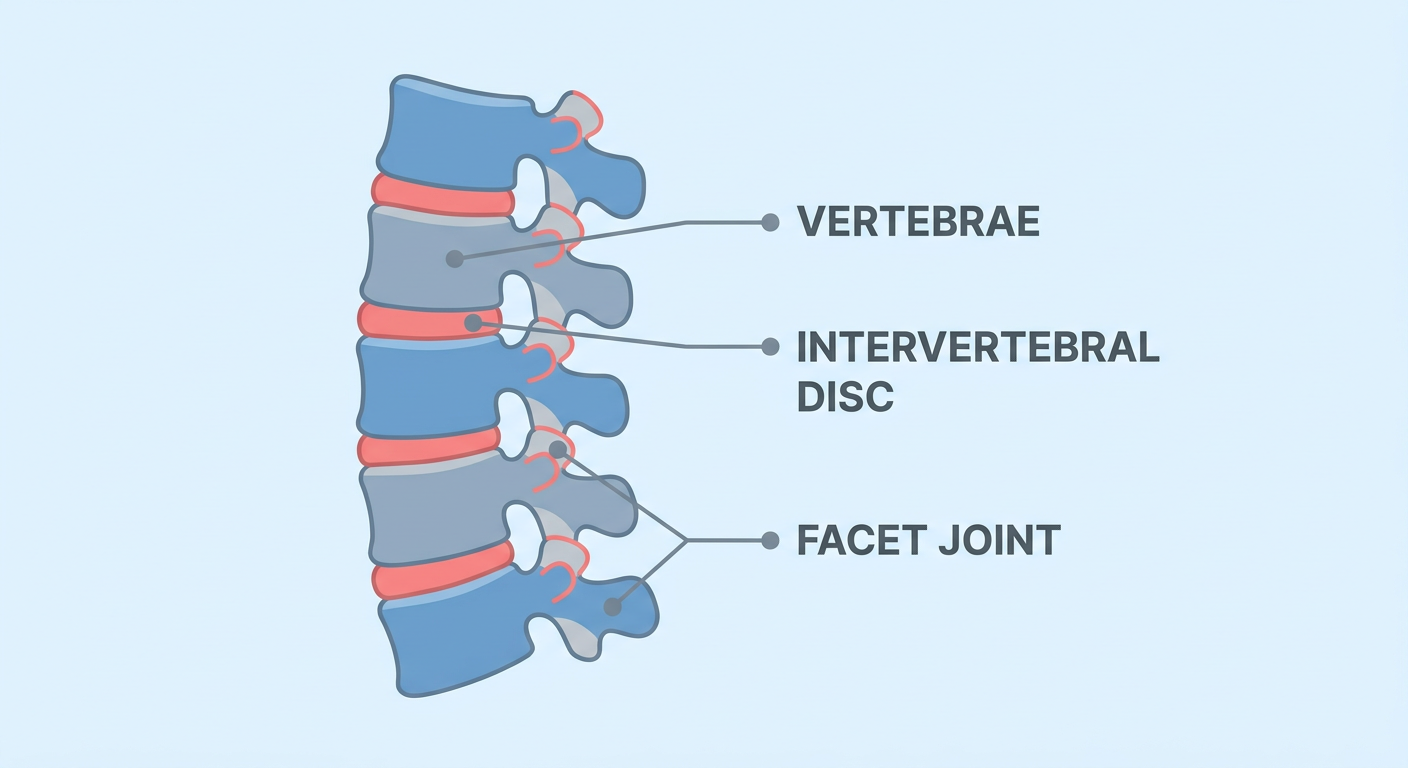
- Spinal stenosis: Narrowing of the spinal canal compresses nerves, often causing pain, numbness, or weakness in the legs—especially when walking
- Sacroiliac joint dysfunction: The SI joints where the spine meets the pelvis can become inflamed or misaligned, causing lower back and hip pain
If you’re wondering what spinal stenosis involves, Dr. Khan sees this condition frequently in East Valley patients over 50, though younger patients with spinal injuries can also develop it.
Why Phoenix Residents Face Unique Back Pain Challenges
Living in the Valley presents specific risk factors for back problems. Long commutes on the 101, 202, and I-10 mean hours spent in seated positions that compress spinal discs and tighten hip flexors. The intense summer heat often limits outdoor activity for months, leading to deconditioning that leaves back muscles weak and vulnerable.
Conversely, the active outdoor culture during cooler months—hiking Camelback or the Superstitions, golfing at one of hundreds of courses, playing pickleball in Sun City—can stress unprepared spines. Lower back pain from golf is something Dr. Ryklin treats regularly in Phoenix-area patients.
Research published in Spine indicates that chronic low back pain affects functional capacity more significantly than most other chronic conditions, reducing quality of life and contributing to depression and anxiety. Yet conventional approaches often fall short.
Why Conventional Treatments Often Disappoint
Many back pain sufferers cycle through the same frustrating pattern: over-the-counter pain relievers that don’t touch the pain, prescription medications that fog the brain and carry addiction risks, physical therapy that helps temporarily but doesn’t resolve the underlying issue.
Surgery remains the final recommendation for many conditions—but spinal surgery carries significant risks, lengthy recovery periods, and no guarantee of success. According to the National Institutes of Health, failed back surgery syndrome affects 10-40% of patients who undergo lumbar spine surgery, leaving them with persistent or worsening pain.
This is exactly why Dr. Khan and Dr. Ryklin founded Arizona Pain and Spine Institute in 2016—to offer Phoenix-area patients a better path. Their philosophy centers on treating pain at its source rather than masking symptoms, using minimally invasive techniques that preserve spinal structures rather than removing them.
How Arizona Pain and Spine Institute Treats Back Pain
Dr. Khan and Dr. Ryklin take a fundamentally different approach to back pain treatment. Rather than defaulting to surgery or long-term medication management, they employ a range of interventional and regenerative techniques designed to reduce inflammation, interrupt pain signals, and promote actual tissue healing.
Regenerative Medicine: Treating the Source, Not the Symptom
Amniotic membrane stem cell therapy represents the most advanced treatment option available at Arizona Pain and Spine Institute—and it’s the reason patients travel from across Arizona and neighboring states to seek care here.
Unlike cortisone injections that provide temporary anti-inflammatory relief but do nothing to repair damaged tissue, stem cell therapy works differently. Amniotic-derived cells contain growth factors and cytokines that reduce inflammation while promoting the regeneration of damaged cartilage, disc material, and connective tissue.
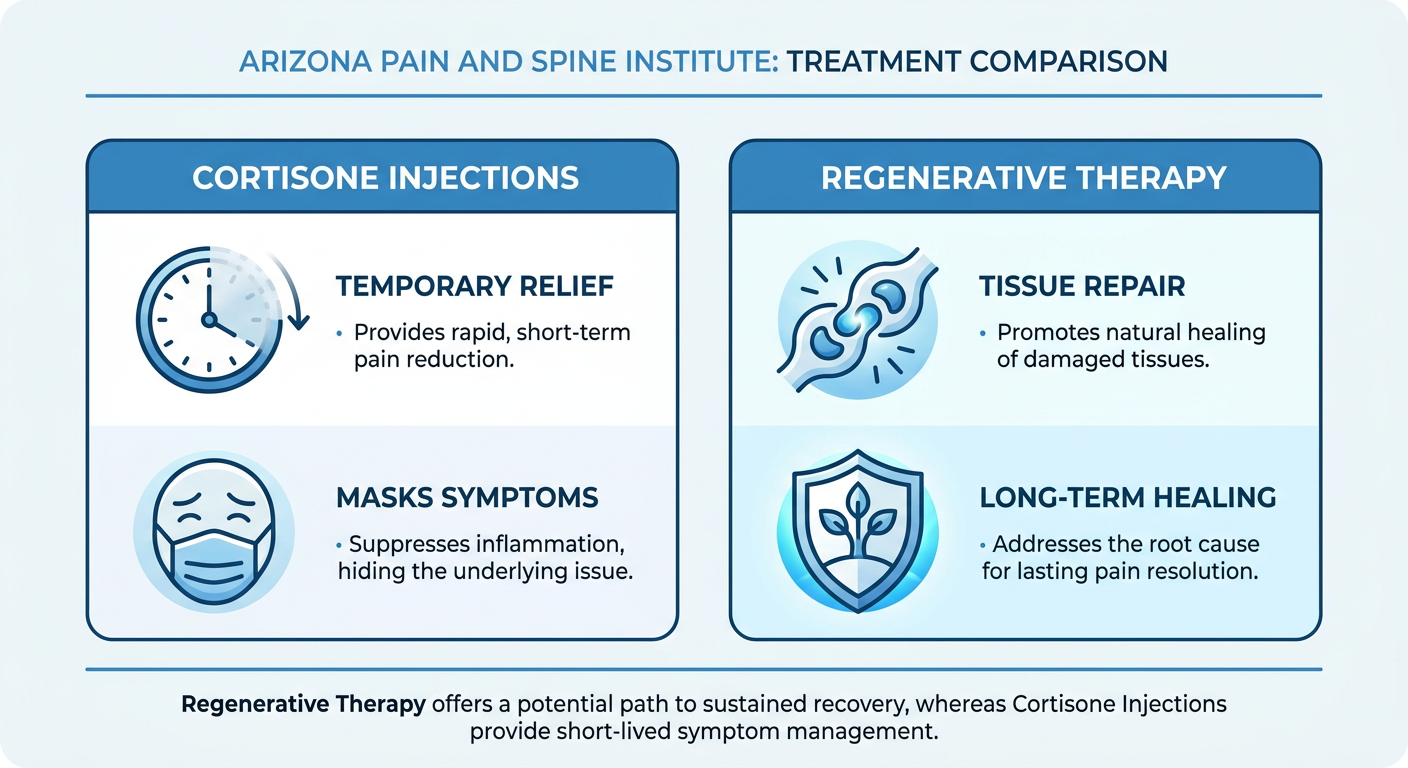
Dr. Khan explains that regenerative medicine offers something medications and surgery cannot: the potential for actual healing rather than symptom management. For patients with degenerative disc disease, facet joint arthritis, or chronic soft tissue damage, stem cell therapy in Phoenix provides a pathway that was unavailable a decade ago.
Interventional Procedures for Targeted Pain Relief
Arizona Pain and Spine Institute offers a comprehensive suite of interventional pain management procedures, each designed to address specific pain sources with precision:
Epidural steroid injections deliver anti-inflammatory medication directly to the space around compressed spinal nerves. For patients with herniated discs, spinal stenosis, or radiculopathy causing leg pain, these injections can provide weeks to months of relief while the body heals. Dr. Ryklin uses fluoroscopic guidance to ensure precise placement.
Radio frequency ablation (RFA) uses controlled heat to disrupt the nerve fibers transmitting pain signals from arthritic facet joints or the sacroiliac joint. The pain relief from RFA typically lasts 6-18 months and can be repeated when needed—without the systemic effects of oral medications.
Facet joint injections deliver local anesthetic and anti-inflammatory medication directly into the small joints connecting vertebrae. These serve both diagnostic and therapeutic purposes—helping Dr. Khan and Dr. Ryklin confirm the pain source while providing relief.
Sacroiliac joint injections target the commonly overlooked SI joint, which can cause lower back and hip pain that mimics disc problems. Many patients with hip arthritis pain actually have SI joint dysfunction as a contributing factor.
Trigger point injections address the tight, painful muscle knots that often accompany or contribute to back pain. These quick in-office procedures can break the pain-spasm cycle that keeps muscles chronically contracted.
The Non-Surgical, Medication-Reducing Philosophy
Dr. Khan and Dr. Ryklin share a core belief: the goal of pain management should be getting patients off medications when possible, not creating long-term dependency. Every treatment plan at Arizona Pain and Spine Institute is designed with this end in mind.
For patients currently taking opioids or other pain medications, the practice offers pathways to reduce or eliminate these drugs as interventional treatments provide relief. The non-opioid pain treatment options available today make this goal achievable for most patients.
When patients ask about steroids for back pain relief, Dr. Ryklin explains that targeted injections deliver medication directly where it’s needed at a fraction of the oral dose—providing stronger local effects with fewer systemic side effects.
Ready to explore non-surgical options for your back pain? Dr. Khan and Dr. Ryklin create personalized treatment plans based on your specific condition, pain level, and lifestyle goals. Call (480) 986-7246 or schedule a consultation online. We serve patients at three convenient locations in Mesa, Gilbert, and Queen Creek.
What to Expect as a Patient at Arizona Pain and Spine Institute
Many patients arrive at our practice after years of disappointing experiences—doctors who rushed through appointments, treatments that didn’t work, feeling unheard about their pain. The experience at Arizona Pain and Spine Institute is deliberately different.
Your First Consultation
Dr. Khan and Dr. Ryklin take time to understand your complete pain picture. This means reviewing your medical history and previous treatments, discussing how pain affects your daily life and activities, and identifying your specific goals—whether that’s returning to golf, playing with grandchildren, or simply sleeping through the night.
A physical examination and review of imaging studies help pinpoint pain sources. In some cases, diagnostic injections provide additional clarity about which structures are generating pain.
Learn more about our clinical team and approach on our about page.
During Your Procedure
Most interventional procedures at Arizona Pain and Spine Institute take 15-30 minutes and are performed with local anesthesia. Dr. Khan and Dr. Ryklin use fluoroscopic (live X-ray) or ultrasound guidance to ensure needle placement is precise—maximizing effectiveness while minimizing risk.
Patients often ask what recovery looks like. For most injection procedures, you can expect to return to light activities the same day. Some soreness at injection sites is normal and typically resolves within 24-48 hours. Regenerative treatments may take days to weeks to reach full effect as the healing process unfolds.
For those interested in how to relieve back pain between appointments, our team provides guidance on positioning, stretching, and activity modification.
Insurance and FastTrack Options
Arizona Pain and Spine Institute works with most major insurance plans. For patients who need treatment immediately without waiting for insurance authorization, the FastTrack cash-pay program offers same-day appointments and streamlined scheduling.
You can complete patient forms online before your visit to minimize wait times.
Ongoing Care and Adjustments
Pain management is rarely a one-and-done process. Dr. Khan and Dr. Ryklin monitor your progress and adjust treatment plans as needed. Some patients achieve lasting relief from a single procedure series; others benefit from periodic maintenance treatments.
The practice also coordinates with physical therapists, chiropractors, and primary care physicians to ensure comprehensive care. When appropriate, pain therapy techniques complement interventional procedures.
Is Stem Cell Therapy Right for My Back Pain?
Patients frequently ask whether they’re candidates for regenerative medicine. While individual assessment is essential, stem cell therapy may be particularly beneficial for:
- Degenerative disc disease without severe structural collapse
- Facet joint arthritis that hasn’t responded fully to injections or RFA
- Chronic soft tissue injuries or ligament laxity contributing to spinal instability
- Patients who wish to avoid or delay surgery
- Those seeking alternatives to long-term medication use
Dr. Khan evaluates each patient individually to determine whether amniotic stem cell therapy is appropriate. For some conditions, other interventional approaches may be more effective or should be tried first.
It’s worth noting that regenerative medicine represents a different treatment philosophy than conventional injections. While cortisone provides rapid anti-inflammatory effects that may last weeks to months, stem cell therapy aims to trigger a healing response that addresses underlying tissue damage. Results develop more gradually but may be more lasting.
When Should You Seek Professional Back Pain Treatment?
Not every back ache requires medical intervention. Muscle strains from overexertion often resolve with rest, ice, and over-the-counter anti-inflammatories. But certain signs indicate it’s time to see a specialist:
- Pain lasting more than 4-6 weeks despite home treatment
- Pain radiating into the legs, especially below the knee
- Numbness, tingling, or weakness in the legs or feet
- Pain that wakes you from sleep or is worse when lying down
- Difficulty controlling bladder or bowel function (seek emergency care)
- Pain following trauma, such as a fall or car accident
If you’re experiencing burning back pain or back pain when breathing, these symptoms warrant prompt evaluation to rule out nerve involvement or other concerning causes.
For women, back pain may have different underlying causes than in men, including hormonal factors and conditions affecting the reproductive system.
Living with Back Pain: Complementary Strategies
While interventional treatments address pain at its source, lifestyle factors significantly influence outcomes. Dr. Ryklin often discusses these complementary strategies with patients:
Movement matters. Prolonged inactivity weakens supporting muscles and stiffens joints. Gentle movement—walking, swimming, basic stretching—helps maintain function even when pain is present. Learn more about working out with back pain safely.
Posture and ergonomics. Back pain from driving is common among Phoenix commuters. Simple modifications—lumbar support, frequent position changes, proper seat adjustment—can reduce spinal stress during long drives.
Weight management. Every extra pound places approximately 4 pounds of additional stress on the lumbar spine. Even modest weight loss can meaningfully reduce mechanical strain.
Sleep positioning. Side sleeping with a pillow between the knees or back sleeping with a pillow under the knees helps maintain neutral spinal alignment.
For additional guidance, our post on home remedies for back pain provides practical strategies to use alongside professional treatment.
Why Choose Arizona Pain and Spine Institute for Phoenix Back Pain Treatment
Since founding Arizona Pain and Spine Institute in 2016, Dr. Khan and Dr. Ryklin have treated thousands of Phoenix-area patients with chronic pain conditions. Several factors distinguish the practice:
Regenerative medicine expertise. As pioneers in amniotic stem cell therapy for pain conditions, Dr. Khan and Dr. Ryklin offer treatments unavailable at most pain clinics. Patients travel from throughout Arizona and neighboring states specifically for this capability.
Non-surgical commitment. The practice exists as an alternative to surgery. While some conditions ultimately require surgical intervention, Dr. Khan and Dr. Ryklin exhaust conservative and minimally invasive options first.
Personalized treatment plans. No two patients receive identical treatment protocols. Plans are customized based on diagnosis, pain severity, previous treatments, lifestyle factors, and individual goals.
Convenient East Valley locations. With offices in Mesa, Gilbert, and Queen Creek, most Phoenix metro residents can access care without long drives. The practice serves patients throughout Mesa, Gilbert, Queen Creek, Chandler, Tempe, Scottsdale, and the greater Phoenix area.
FastTrack access. For patients who can’t wait weeks for insurance authorization, same-day cash-pay appointments get treatment started immediately.
The East Valley pain management landscape includes many options, but few practices combine interventional expertise with regenerative medicine capability under one roof.
What Questions Should You Ask a Back Pain Specialist?
When you visit Arizona Pain and Spine Institute—or any pain management practice—informed patients get better outcomes. Consider asking:
What specifically is causing my pain? Effective treatment requires accurate diagnosis. Dr. Khan and Dr. Ryklin explain findings from examinations and imaging studies in terms patients can understand.
What are my treatment options, including non-surgical approaches? Understanding the full range of possibilities helps you make informed decisions aligned with your preferences and goals.
What results can I realistically expect? Honest discussion of likely outcomes—including timeframes and the possibility that multiple treatments may be needed—sets appropriate expectations.
How can I reduce my need for pain medication? If reducing or eliminating medications is a priority for you, ask specifically about how treatment plans address this goal.
Can I get same-day treatment at Arizona Pain and Spine Institute?
Through the FastTrack cash-pay program, qualified patients can often receive treatment the same day they call. This option bypasses insurance authorization delays that can stretch for weeks, getting relief started faster. Call (480) 986-7246 to inquire about same-day availability.
Do you treat patients from outside the Phoenix area?
Absolutely. Patients travel from across Arizona, including Tucson and Flagstaff, as well as from neighboring states. The practice’s advanced regenerative treatments attract patients willing to travel for care unavailable locally. Our team helps coordinate care for out-of-area patients.
How do I know if I need interventional treatment versus physical therapy?
Many patients benefit from both. Interventional procedures can reduce pain enough for physical therapy to be effective—and physical therapy helps maintain results from interventional treatments. Dr. Ryklin and Dr. Khan coordinate with physical therapists and often recommend both approaches together.
Take the First Step Toward Relief
Chronic back pain doesn’t have to define your life. The treatments available today—especially regenerative approaches and minimally invasive interventional procedures—offer pathways to relief that didn’t exist a decade ago.
Dr. Khan and Dr. Ryklin have helped thousands of Phoenix-area patients reduce pain, restore function, and get back to the activities they love. Whether you’re exploring options before considering surgery or seeking alternatives to long-term medication, Arizona Pain and Spine Institute offers personalized treatment plans designed around your specific condition and goals.
Call (480) 986-7246 or schedule your consultation online. Three convenient locations serve the East Valley: Mesa, Gilbert, and Queen Creek.
Frequently Asked Questions
What is the most effective non-surgical treatment for chronic back pain?
The most effective non-surgical treatment depends on your specific diagnosis. At Arizona Pain and Spine Institute, Dr. Khan and Dr. Ryklin often combine regenerative medicine (amniotic stem cell therapy) with interventional procedures like epidural injections or radiofrequency ablation. This approach addresses both inflammation and underlying tissue damage for longer-lasting relief than medication alone.
How long does it take for stem cell therapy to work for back pain?
Stem cell therapy typically takes 2-8 weeks to show significant improvement, with continued healing occurring over 3-6 months. Unlike cortisone injections that provide rapid but temporary relief, regenerative treatments trigger a gradual healing response. Dr. Khan monitors progress and adjusts treatment plans as your body responds.
Does Arizona Pain and Spine Institute accept insurance for back pain treatment?
Yes, Arizona Pain and Spine Institute works with most major insurance plans for interventional procedures. For patients who need immediate treatment without insurance delays, the FastTrack cash-pay program offers same-day appointments. Call (480) 986-7246 to verify your coverage or inquire about FastTrack options.
Where can I find a back pain specialist near Mesa or Gilbert?
Arizona Pain and Spine Institute has three convenient East Valley locations: East Mesa, Mesa/Gilbert, and Queen Creek. Dr. Khan and Dr. Ryklin see patients from throughout the Phoenix metro area, including Chandler, Tempe, and Scottsdale. Most patients can reach an office within 20-30 minutes.
Can I avoid back surgery with interventional pain management?
Many patients successfully avoid back surgery through interventional treatments. Procedures like epidural steroid injections, radiofrequency ablation, and regenerative medicine can provide sufficient relief for patients with herniated discs, spinal stenosis, and degenerative conditions. Dr. Ryklin evaluates each case to determine whether non-surgical options can achieve your treatment goals.
The statements on this blog are not intended to diagnose, treat, cure, or prevent any disease. The information provided reflects published medical research and Arizona Pain and Spine Institute’s clinical expertise. Individual results vary based on condition, severity, and treatment response. Always consult Dr. Khan, Dr. Ryklin, or your personal physician for specific medical advice. For appointments, call (480) 986-7246 or visit gotpainarizona.com.