 Get an appointment within days, not weeks or months



Living with chronic joint or back pain means watching your life shrink—skipping morning hikes at South Mountain, dreading the drive down the 202, and wondering if surgery is your only option left. According to the CDC, approximately 20.9% of U.S. adults live with chronic pain, and many feel trapped between medications that mask symptoms and surgeries that carry significant risks.
Regenerative medicine offers Chandler residents a third path: treatments that work with your body’s natural healing processes to repair damaged tissue, reduce inflammation, and restore function—without surgery or long-term medication dependence. At Arizona Pain and Spine Institute, Dr. Asim Khan and Dr. Daniel Ryklin specialize in amniotic stem cell therapy and platelet-rich plasma (PRP) treatments that address pain at its source rather than simply covering it up.
This guide explains how regenerative medicine works, what conditions it treats, and what Chandler patients can expect when they choose this innovative approach to pain relief.
Understanding Chronic Joint and Back Pain in the East Valley
Chronic pain isn’t just a physical sensation—it’s an experience that affects every aspect of your life. When your knees ache after walking through Chandler Fashion Center or your lower back seizes up during your commute, you’re dealing with more than discomfort. You’re dealing with limitations that compound over time.
Joint and back pain typically stem from tissue damage, inflammation, or nerve compression. Osteoarthritis gradually wears down the protective cartilage in your joints. Degenerative disc disease causes the cushioning discs between your vertebrae to break down. Tendon injuries from weekend pickleball at Snedigar Sportsplex or years of repetitive motion can become chronic when they don’t heal properly.
Get Back Your Normal Life Again
As pain specialists, we can guarantee that we are more than qualified in alleviating your pain and treating your condition.
The desert climate presents unique challenges. Low humidity can affect joint lubrication, and the intense summer heat often keeps residents indoors and sedentary—which actually worsens joint stiffness. Meanwhile, the active outdoor lifestyle that draws people to the East Valley increases injury risk for aging joints.
Conventional treatments often fall short. Anti-inflammatory medications provide temporary relief but don’t address underlying tissue damage. Cortisone injections reduce inflammation for weeks or months but may actually accelerate joint degeneration with repeated use, according to research published in Radiology. Surgery carries inherent risks, requires significant recovery time, and isn’t appropriate for every patient or every condition.
This leaves many Chandler residents feeling stuck—managing their pain day by day without a clear path toward actual healing. Regenerative medicine changes that equation.
How Arizona Pain and Spine Institute Treats Chronic Pain with Regenerative Medicine
Dr. Khan and Dr. Ryklin co-founded Arizona Pain and Spine Institute with a clear philosophy: treat pain at its source rather than masking symptoms with medication. Their regenerative medicine program represents the most advanced application of that philosophy.
Amniotic Stem Cell Therapy
Amniotic membrane stem cell therapy is the practice’s flagship regenerative treatment. These cells, derived from donated amniotic tissue following healthy births, contain powerful growth factors, cytokines, and proteins that promote tissue repair and reduce inflammation at the cellular level.
Unlike cortisone—which suppresses inflammation temporarily—amniotic stem cell therapy works by signaling your body to repair damaged tissue. The growth factors recruit your own healing cells to the injury site, stimulate new blood vessel formation, and help regenerate cartilage, tendons, and other soft tissues.
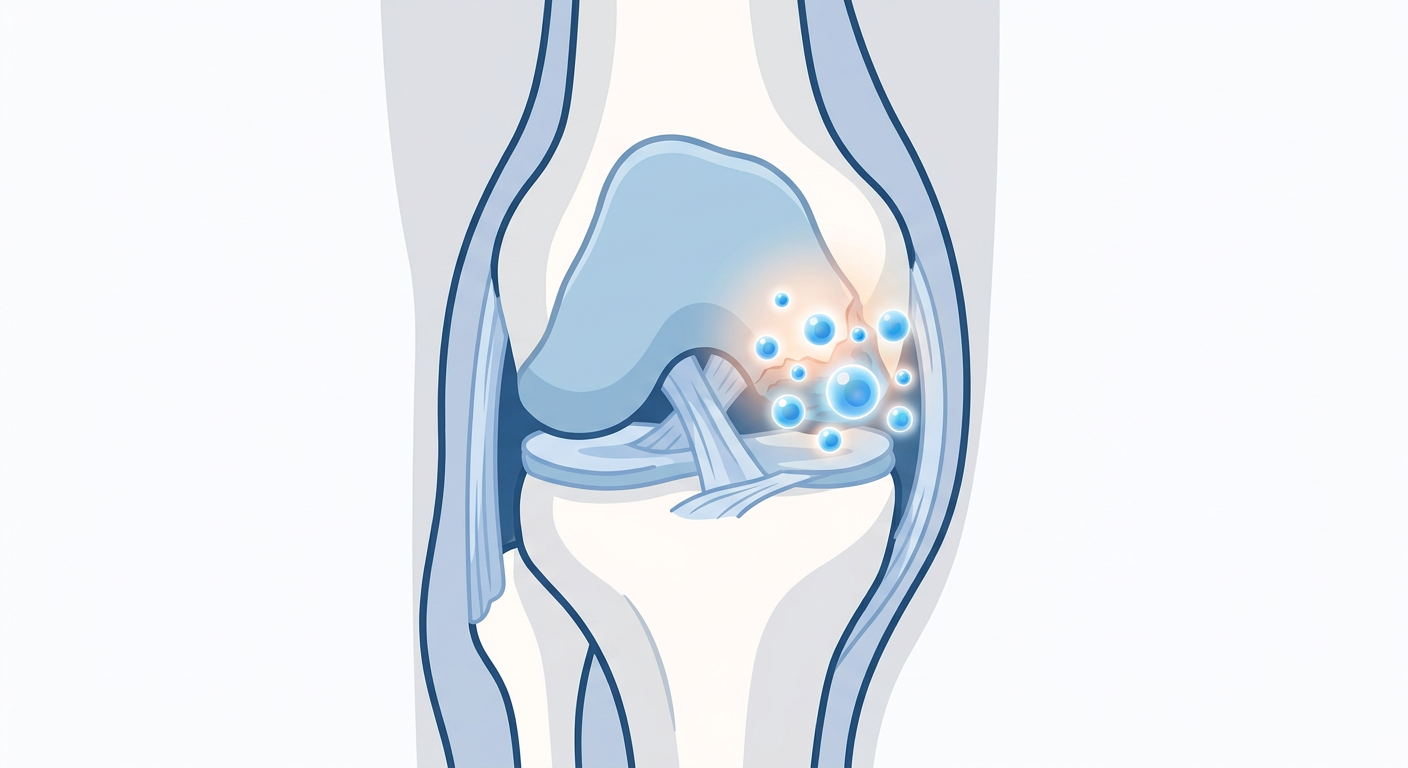
Regenerative therapies signal the body to repair damaged tissue rather than simply masking inflammation.
Dr. Khan and Dr. Ryklin use this therapy for knee osteoarthritis, hip degeneration, shoulder injuries, and spinal disc problems. Patients who were told they needed joint replacement surgery have experienced significant improvement after stem cell treatment.
Platelet-Rich Plasma (PRP) Therapy
PRP therapy uses your own blood to accelerate healing. Dr. Ryklin draws a small blood sample, processes it in a centrifuge to concentrate the platelets, and injects this platelet-rich solution directly into the damaged tissue.
Platelets contain growth factors that initiate tissue repair. By concentrating them and delivering them precisely to the injury site, PRP injections can accelerate healing of tendons, ligaments, and joints that haven’t responded to rest or physical therapy alone.
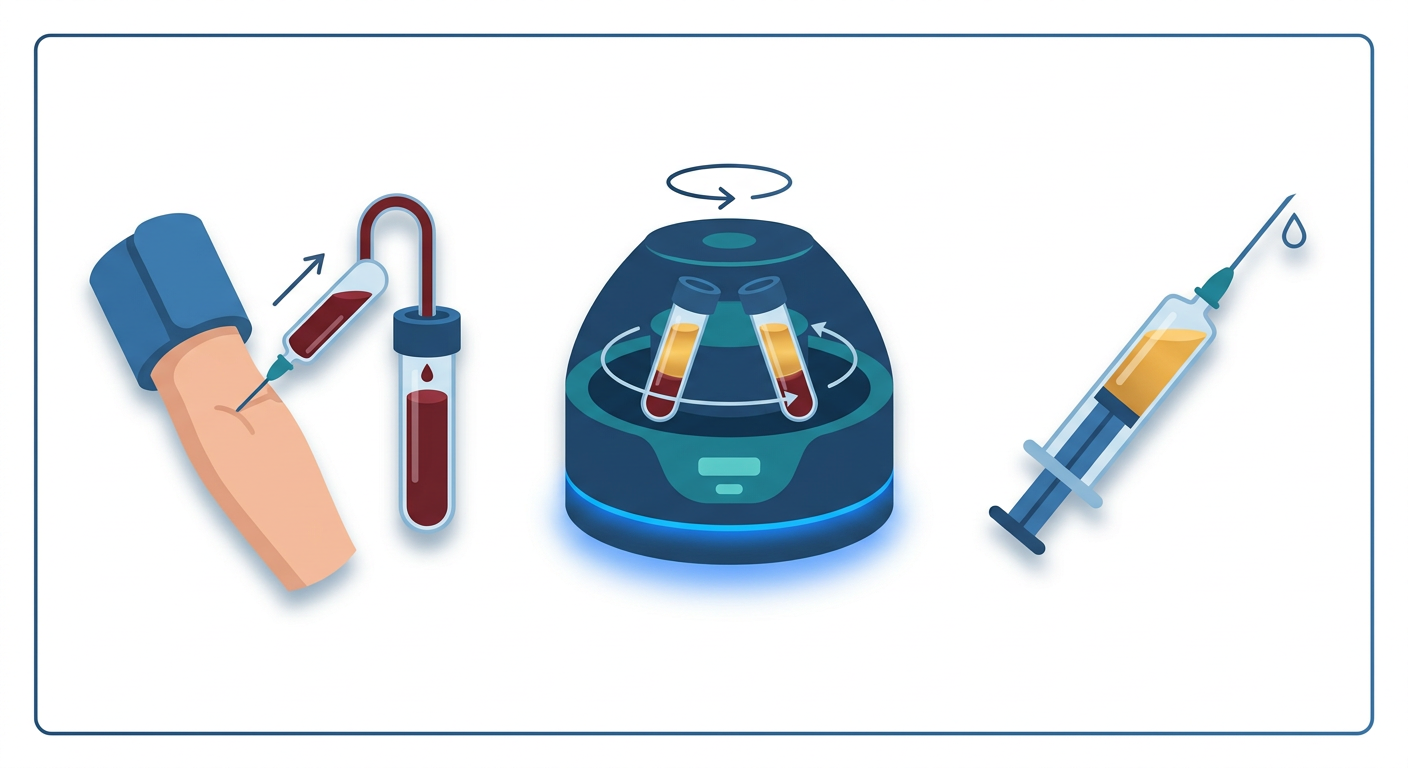
The PRP process concentrates your own platelets to deliver powerful healing factors directly to painful joints.
The Minimally Invasive Approach
Both treatments are performed in-office using imaging guidance for precision placement. There’s no general anesthesia, no hospital stay, and most patients return to normal activities within days. This stands in stark contrast to joint replacement surgery, which typically requires weeks of restricted activity and months of rehabilitation.
Dr. Khan and Dr. Ryklin create individualized treatment plans based on each patient’s specific condition, pain level, imaging findings, and personal goals. Some patients benefit from regenerative therapy alone; others achieve optimal results when it’s combined with interventional procedures like nerve blocks or radiofrequency ablation.
The practice also offers a FastTrack cash-pay program for patients who need treatment quickly without waiting for insurance authorization.
Don’t let chronic pain limit your life in Chandler. Schedule a consultation with Dr. Khan or Dr. Ryklin at Arizona Pain and Spine Institute to learn whether regenerative medicine is right for your condition. Call (480) 986-7246 or book online. Convenient locations in Mesa, Gilbert, and Queen Creek—serving Chandler and the entire East Valley.
What to Expect as a Regenerative Medicine Patient
Your journey begins with a comprehensive consultation. Dr. Khan or Dr. Ryklin will review your medical history, examine the affected joints or spine, and discuss your pain patterns in detail. They take time to understand not just your diagnosis but how pain affects your daily life—whether that’s difficulty playing with grandchildren, giving up golf, or struggling through your workday.
Imaging studies help identify the precise location and extent of tissue damage. This information guides treatment planning and ensures the regenerative cells or PRP are delivered exactly where they’ll do the most good.
During the Procedure
Regenerative injections are performed in the clinic using local anesthesia and fluoroscopic or ultrasound guidance. For stem cell therapy, the amniotic tissue preparation is injected directly into the damaged joint or disc. For PRP, your blood is drawn and processed on-site before injection—the entire process typically takes under an hour.
Most patients describe the injections as mildly uncomfortable rather than painful. You’ll rest briefly after the procedure, receive post-treatment instructions, and typically drive yourself home.
Recovery and Results
Unlike surgery, regenerative medicine requires minimal downtime. You may experience some soreness at the injection site for a few days. Dr. Ryklin typically recommends avoiding strenuous activity for one to two weeks while the healing process begins.
Results from regenerative treatments develop gradually as tissue repair occurs. Some patients notice improvement within weeks; others see progressive gains over three to six months. The practice schedules follow-up appointments to monitor your progress and adjust your treatment plan if needed.
Because regenerative medicine promotes actual tissue healing rather than just symptom suppression, many patients experience lasting relief that improves over time—the opposite of cortisone injections, which typically provide diminishing returns.
Is Regenerative Medicine Covered by Insurance?
Most insurance plans do not yet cover stem cell therapy, though PRP coverage varies by plan and diagnosis. Arizona Pain and Spine Institute works with patients to verify benefits and explain costs upfront. The FastTrack cash-pay program provides same-day access for patients who prefer to bypass insurance entirely or who have high-deductible plans.
Dr. Khan and Dr. Ryklin believe cost shouldn’t prevent patients from accessing treatments that could help them avoid surgery. The patient services team can discuss payment options during your consultation.
Who Is a Good Candidate for Regenerative Medicine?
Regenerative therapies work best for patients with mild to moderate joint degeneration, chronic tendon injuries, or disc problems who haven’t responded adequately to conservative treatments. Ideal candidates have realistic expectations and understand that healing takes time.
Patients with severe, bone-on-bone arthritis may still benefit from regenerative treatments but typically see more modest improvements. During your consultation, Dr. Khan or Dr. Ryklin will honestly assess whether regenerative medicine is likely to help your specific condition or whether other approaches might serve you better.
The practice treats patients from across Arizona and neighboring states who travel specifically for regenerative care. Many Chandler residents appreciate the convenience of having this advanced treatment available close to home at the Mesa and Gilbert locations.
Can Regenerative Medicine Help My Specific Condition?
Regenerative medicine shows promise for a wide range of musculoskeletal conditions. Patients with arthritis pain in the knees, hips, and shoulders often experience significant improvement. Those suffering from chronic back pain due to disc degeneration or facet joint arthritis may benefit as well.
Research published in the Journal of Clinical Medicine supports the use of regenerative therapies for osteoarthritis, showing improvements in pain and function compared to conventional treatments. However, results vary based on individual factors including age, overall health, and condition severity.
Dr. Khan emphasizes that regenerative medicine isn’t a miracle cure—it’s a scientifically grounded approach that gives your body the resources it needs to heal. Setting appropriate expectations is part of the consultation process.
How Does Regenerative Medicine Compare to Surgery?
Joint replacement surgery remains an important option for patients with severe joint destruction. However, surgery carries risks including infection, blood clots, implant loosening, and the need for revision surgery years later. Recovery requires weeks of restricted mobility and months of physical therapy.
Regenerative medicine offers several advantages for appropriate candidates. There’s minimal downtime, no surgical risks, and the treatment works with your body’s natural processes rather than replacing biological structures with artificial ones. If regenerative therapy doesn’t provide adequate relief, surgery remains available as a future option.
Many patients prefer to try regenerative treatments before committing to surgery. Dr. Ryklin often sees patients who were scheduled for knee replacement but achieved enough improvement through stem cell therapy to postpone or cancel the procedure entirely.
What Makes Arizona Pain and Spine Institute Different?
Dr. Khan and Dr. Ryklin are board-certified interventional pain specialists who have focused on regenerative medicine since founding the practice in 2016. Their approach combines regenerative therapies with the full spectrum of interventional pain management techniques.
This matters because chronic pain rarely has a single cause. A patient with knee arthritis might also have referred pain from the hip or spine. A patient with sciatica might benefit from both epidural injections and regenerative disc treatment. The ability to address multiple pain generators in a coordinated treatment plan sets the practice apart from clinics that offer only regenerative injections.
The team includes experienced nurse practitioners and physician assistants who support patient care from initial consultation through follow-up. Patient testimonials consistently highlight the practice’s thorough approach and genuine concern for outcomes.
Conclusion: Take the First Step Toward Healing
Chronic joint and back pain doesn’t have to mean choosing between endless medications and major surgery. Regenerative medicine offers Chandler residents a path toward actual tissue healing—treatments that work with your body to repair damage and restore function.
Dr. Khan and Dr. Ryklin have helped thousands of East Valley patients reduce pain, regain mobility, and return to the activities they love. Whether you’re dealing with arthritic knees, a degenerating disc, or a shoulder injury that won’t heal, a consultation can determine whether regenerative medicine is right for you.
Call Arizona Pain and Spine Institute at (480) 986-7246 or schedule your consultation online. Locations in Mesa, Gilbert, and Queen Creek serve patients throughout Chandler and the greater Phoenix metro area.
Frequently Asked Questions
How much does regenerative medicine cost in Chandler?
Treatment costs vary based on the specific therapy, number of injections, and areas treated. Arizona Pain and Spine Institute provides detailed pricing during your consultation after evaluating your condition. The FastTrack cash-pay program offers same-day access without insurance delays, and the patient services team can discuss payment options.
Is stem cell therapy FDA approved?
The FDA regulates stem cell products but has not approved most stem cell therapies for specific conditions. Amniotic tissue products used at Arizona Pain and Spine Institute are processed according to FDA guidelines. Dr. Khan and Dr. Ryklin use only products from accredited tissue banks that meet strict safety and quality standards.
How long do regenerative medicine results last?
Many patients experience relief lasting one to three years or longer, though results vary based on condition severity and individual healing response. Because regenerative treatments promote actual tissue repair rather than just masking symptoms, improvements often continue developing over months. Dr. Ryklin monitors your progress and can recommend additional treatments if needed.
Can I get regenerative medicine near Chandler without surgery?
Yes. Arizona Pain and Spine Institute offers regenerative therapies including amniotic stem cell therapy and PRP at their Mesa and Gilbert locations, both convenient to Chandler residents. All treatments are minimally invasive office procedures—no hospital stay or surgical recovery required. Call (480) 986-7246 to schedule.
What conditions does regenerative medicine treat?
Dr. Khan and Dr. Ryklin use regenerative therapies for knee osteoarthritis, hip degeneration, shoulder injuries, rotator cuff tears, tennis elbow, degenerative disc disease, facet joint arthritis, and chronic tendon injuries. During your consultation, they’ll evaluate whether regenerative medicine is appropriate for your specific condition and pain level.