 Get an appointment within days, not weeks or months


Understanding Musculoskeletal Pain in the East Valley
When every step sends a jolt through your knee, when turning your neck feels like grinding gears, when the simple act of reaching for a cabinet leaves your shoulder aching for hours—you understand how musculoskeletal pain steals the life you want to live. According to the CDC, approximately 20.9% of American adults live with chronic pain, and musculoskeletal conditions represent the leading cause of disability worldwide.
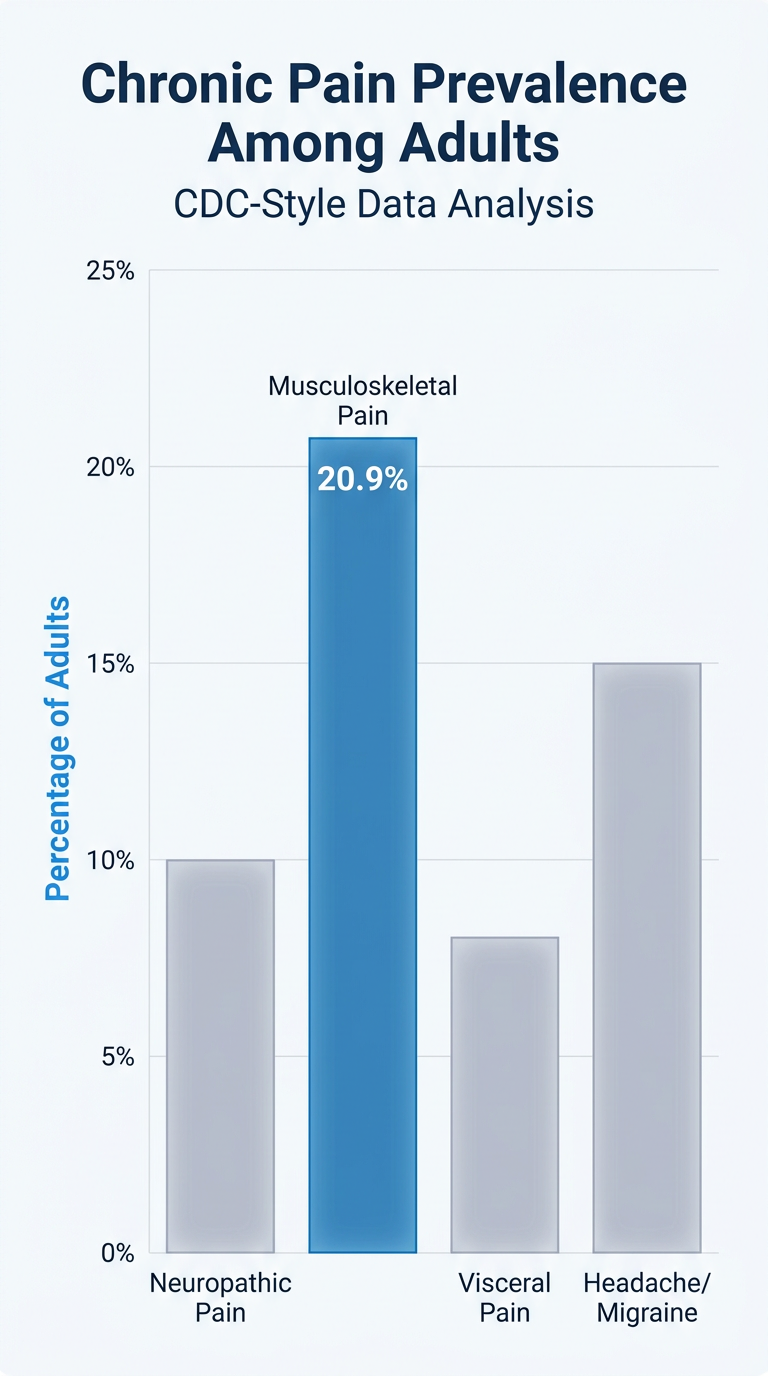
Musculoskeletal pain therapy encompasses non-surgical treatments that address pain in muscles, joints, tendons, and ligaments. At Arizona Pain and Spine Institute, Dr. Asim Khan and Dr. Daniel Ryklin use regenerative medicine, joint injections, and nerve blocks to reduce inflammation, promote tissue healing, and restore mobility without surgery or long-term medication dependence.
This guide explains what musculoskeletal pain is, why traditional approaches often fall short, and how patients across Scottsdale, Mesa, Gilbert, Queen Creek, and the greater Phoenix metro area are finding lasting relief through advanced, minimally invasive therapies.
What Is Musculoskeletal Pain?
Musculoskeletal pain affects the bones, muscles, ligaments, tendons, and nerves that make up your body’s movement system. Unlike pain from an acute injury that heals and resolves, chronic musculoskeletal pain persists for weeks, months, or years—often worsening without proper intervention.
The National Institute of Arthritis and Musculoskeletal and Skin Diseases identifies these common musculoskeletal conditions:
Get Back Your Normal Life Again
As pain specialists, we can guarantee that we are more than qualified in alleviating your pain and treating your condition.
- Osteoarthritis: Cartilage breakdown causing joint pain, stiffness, and reduced range of motion
- Tendinitis: Inflammation of tendons from repetitive motion or overuse
- Bursitis: Inflammation of fluid-filled sacs that cushion joints
- Myofascial pain syndrome: Chronic muscle pain with trigger points that refer pain to other areas
- Degenerative disc disease: Spinal disc breakdown causing back and neck pain
- Sports and overuse injuries: Damage to muscles, tendons, or ligaments from physical activity
Why East Valley Residents Are Particularly Affected
Living in the Scottsdale and East Valley area comes with unique factors that contribute to musculoskeletal pain. The desert climate—while beautiful—can affect joint health through barometric pressure changes and dehydration. Weekend warriors who hike Camelback Mountain or McDowell Sonoran Preserve often push joints and muscles beyond their current conditioning.
Daily commutes on the 101 and 202 mean hours sitting in positions that strain the spine and hips. The active-adult communities throughout Scottsdale and the East Valley are filled with retirees who want to maintain their golf games, tennis matches, and hiking schedules—but find their bodies no longer cooperate.
Dr. Khan observes that many patients arrive frustrated after being told their options are either “live with it,” take pain medications indefinitely, or undergo surgery. None of these options address the underlying cause of pain or support the body’s natural healing capacity.
Why Conventional Approaches Often Fall Short
Traditional musculoskeletal pain treatment typically follows a predictable path: over-the-counter pain relievers, then prescription medications, then physical therapy, then the suggestion of surgery if nothing else works.
The problem with this approach:
- Pain medications mask symptoms without addressing the damaged tissue causing pain. NSAIDs can cause gastrointestinal issues with long-term use, and opioids carry addiction risks the CDC has extensively documented.
- Cortisone injections provide temporary relief—typically lasting weeks to months—but don’t heal damaged cartilage, tendons, or ligaments. Repeated cortisone injections may actually accelerate joint degeneration.
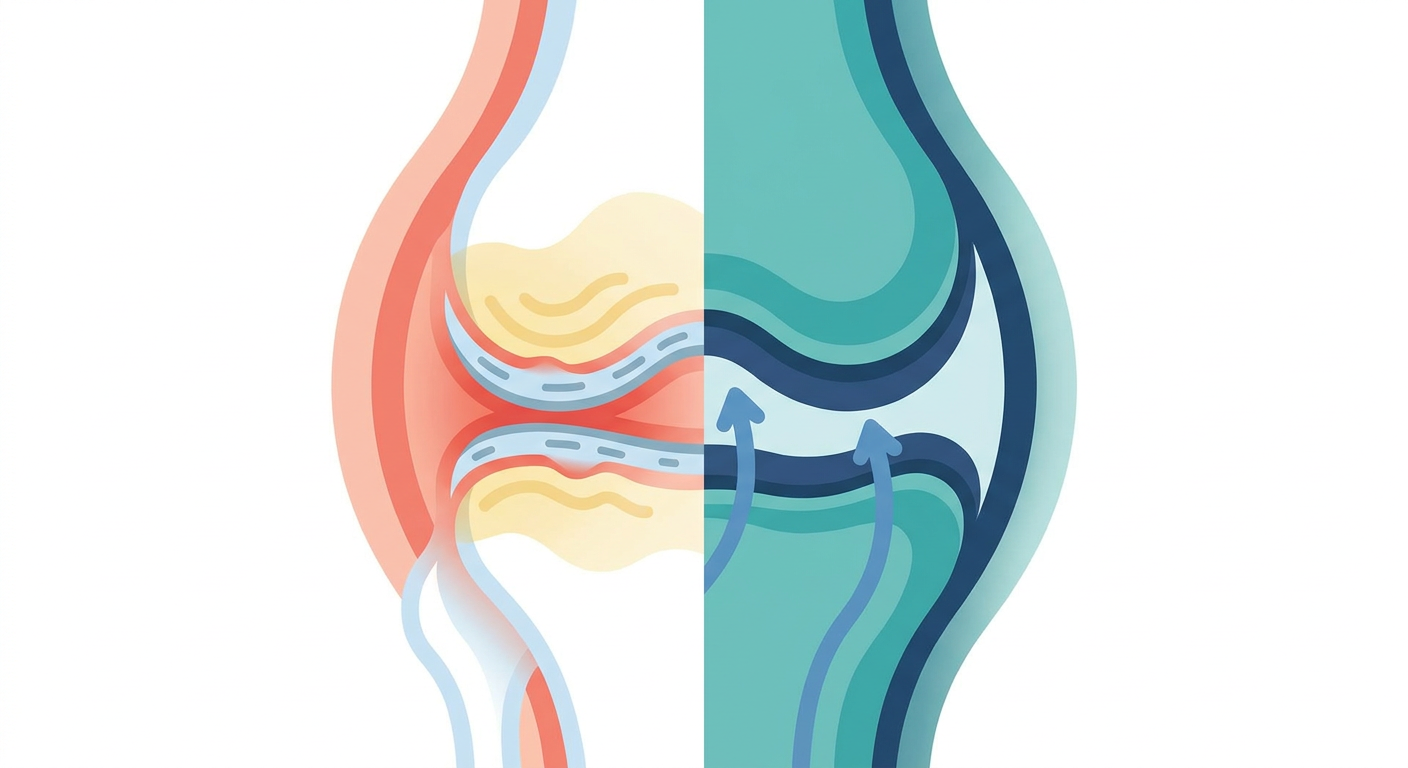
- Surgery carries significant risks: infection, blood clots, nerve damage, and months of recovery—with no guarantee of complete pain relief.
Patients deserve an option between “manage your pain with pills” and “go under the knife.” That’s precisely where Arizona Pain and Spine Institute’s approach differs.
How Arizona Pain and Spine Institute Treats Musculoskeletal Pain
Dr. Asim Khan and Dr. Daniel Ryklin co-founded Arizona Pain and Spine Institute in 2016 with a clear philosophy: treat pain at its source rather than masking symptoms with medication. Their goal is to help patients reduce or eliminate their dependence on pain medications and avoid surgery when possible.
For musculoskeletal and sports injuries, the practice offers a comprehensive range of minimally invasive, non-surgical treatments tailored to each patient’s specific condition.
Regenerative Medicine: Healing at the Cellular Level
Regenerative medicine represents the practice’s flagship treatment approach. Unlike cortisone shots that provide temporary relief by reducing inflammation, regenerative therapies work to actually repair damaged tissue.
Amniotic membrane stem cell therapy delivers concentrated growth factors and anti-inflammatory proteins directly to damaged joints, tendons, or ligaments. These biologics support the body’s natural healing processes by:
- Reducing chronic inflammation at the cellular level
- Promoting new tissue growth and repair
- Improving joint lubrication and function
- Providing longer-lasting relief than cortisone injections
Dr. Ryklin explains that regenerative medicine is particularly effective for patients with osteoarthritis, tendon injuries, and ligament damage who want to avoid joint replacement surgery.
Joint Injections: Targeted Relief
Joint injections deliver medication precisely where it’s needed using fluoroscopic (X-ray) or ultrasound guidance. This imaging-guided approach ensures accuracy and maximizes effectiveness.
For musculoskeletal pain, joint injections may include:
- Hyaluronic acid (viscosupplementation): Restores joint lubrication for arthritic knees, hips, and shoulders
- Corticosteroids: Used strategically for acute inflammation when appropriate, not as a long-term solution
- Platelet-rich plasma (PRP): Concentrates your own healing factors from blood to accelerate tissue repair
Nerve Blocks and Trigger Point Injections
When musculoskeletal pain involves nerve irritation or muscle trigger points, targeted injections can interrupt pain signals and break the cycle of chronic muscle tension.
Trigger point injections address painful knots in muscles that refer pain to other areas. These injections can provide immediate relief for myofascial pain syndrome, tension headaches, and chronic muscle spasms.
Nerve pain injections target specific nerves contributing to musculoskeletal pain, providing relief while allowing damaged tissues to heal.
Radio Frequency Ablation for Chronic Joint Pain
For patients with chronic arthritis pain that hasn’t responded to other treatments, radio frequency ablation (RFA) offers a longer-lasting solution.
RFA uses heat to disrupt the nerve signals carrying pain messages from arthritic joints to the brain. The procedure provides relief lasting six months to two years for many patients—allowing them to participate in physical therapy and regain function.
Don’t let musculoskeletal pain dictate what you can and cannot do. Schedule a consultation with Dr. Khan or Dr. Ryklin at Arizona Pain and Spine Institute. Call (480) 986-7246 or book online. Locations in East Mesa, Mesa/Gilbert, and Queen Creek—serving patients throughout Scottsdale and the East Valley.
What to Expect as a Patient
Your journey at Arizona Pain and Spine Institute begins with understanding—not a rushed evaluation that ends with a prescription pad.
The Consultation Process
Dr. Khan and Dr. Ryklin take time to understand your complete pain picture: when it started, what makes it better or worse, how it affects your daily life, what treatments you’ve already tried, and what goals matter most to you.
They review imaging studies, perform a thorough physical examination, and often use diagnostic injections to confirm the exact source of pain before recommending treatment. This precision approach ensures you receive therapy targeted at the actual problem—not a generic protocol.
The Treatment Experience
Most musculoskeletal pain therapies at Arizona Pain and Spine Institute are:
- Minimally invasive: Performed through small needles, not surgical incisions
- Image-guided: Fluoroscopy or ultrasound ensures precise medication placement
- Outpatient procedures: No hospital stay required
- Quick recovery: Many patients return to normal activities the same day or within 24-48 hours
Results and Recovery Timeline
Results vary based on the specific treatment and your condition:
- Joint injections and nerve blocks: Many patients experience relief within days
- Regenerative medicine: Because these treatments stimulate tissue healing, full benefits may develop over several weeks as the body repairs damaged structures
- Radio frequency ablation: Relief typically begins within 1-3 weeks as the treated nerve tissue responds
The practice monitors your progress and adjusts your treatment plan as needed. The goal isn’t a single injection—it’s a comprehensive approach to restoring your function and quality of life.
Insurance and FastTrack Access
Arizona Pain and Spine Institute works with most major insurance plans. For patients who need treatment immediately without waiting for insurance authorization, the FastTrack cash-pay program offers same-day appointments.
FastTrack bypasses insurance delays, getting you into treatment faster when you’re ready to address your pain now—not weeks from now.
Can Musculoskeletal Pain Be Treated Without Surgery?
Yes—most musculoskeletal pain responds well to non-surgical treatment when addressed with the right approach. At Arizona Pain and Spine Institute, Dr. Khan and Dr. Ryklin have helped thousands of patients avoid surgery through regenerative medicine, joint injections, and interventional pain procedures. Surgery should be a last resort after conservative options have been fully explored—not the default recommendation.
What Causes Chronic Muscle and Joint Pain?
Chronic musculoskeletal pain typically results from degenerative conditions like osteoarthritis, repetitive strain injuries, previous trauma that didn’t heal properly, or inflammatory conditions. Contributing factors include age-related tissue changes, sedentary lifestyle, poor posture, excess weight, and occupational demands. Dr. Khan evaluates each patient’s unique combination of factors to identify the underlying cause rather than simply treating symptoms.
How Long Does It Take to Recover from Musculoskeletal Pain Therapy?
Recovery time depends on the specific treatment. Joint injections and nerve blocks often provide relief within days with minimal downtime. Regenerative medicine treatments work over several weeks as your body repairs damaged tissue. Most patients return to daily activities within 24-48 hours of treatment, though Dr. Ryklin may recommend temporarily limiting strenuous activity to optimize healing.
Take the First Step Toward Restored Mobility
Musculoskeletal pain doesn’t have to be your permanent reality. Effective relief without surgery or long-term medication dependence is possible with the right treatment approach.
Dr. Asim Khan and Dr. Daniel Ryklin create individualized treatment plans based on your specific condition, pain level, and goals. Whether you’re dealing with arthritic knees, a nagging shoulder injury, or chronic back pain that’s stolen your active lifestyle, Arizona Pain and Spine Institute offers advanced therapies designed to address the source of your pain—not just mask it.
Call (480) 986-7246 or schedule online to begin your path to recovery. Locations in Mesa, Gilbert, and Queen Creek serve patients throughout Scottsdale and the greater East Valley.
Frequently Asked Questions
Is musculoskeletal pain therapy covered by insurance in Arizona?
Many musculoskeletal pain therapies are covered by major insurance plans. Arizona Pain and Spine Institute works with most insurers and verifies coverage before treatment. For patients who prefer not to wait for insurance authorization, the FastTrack cash-pay program provides same-day access to care.
What is the difference between regenerative medicine and cortisone shots?
Cortisone shots reduce inflammation temporarily but don’t repair damaged tissue—relief typically lasts weeks to months. Regenerative medicine, including amniotic stem cell therapy, delivers growth factors that promote actual tissue healing. Dr. Khan and Dr. Ryklin recommend regenerative approaches for patients seeking longer-lasting solutions.
Do I need a referral to see a pain specialist in Mesa or Gilbert?
Most patients do not need a referral to schedule at Arizona Pain and Spine Institute. You can call (480) 986-7246 directly or book online. Some insurance plans may require referrals for coverage—the team can help verify your specific requirements during scheduling.
Can musculoskeletal pain therapy help me avoid knee or hip replacement surgery?
For many patients, yes. Dr. Ryklin has helped patients with moderate to severe arthritis delay or avoid joint replacement through regenerative medicine, viscosupplementation, and other non-surgical treatments. Early intervention typically produces better outcomes than waiting until joints are severely damaged.
How do I know which musculoskeletal pain treatment is right for me?
The right treatment depends on your specific diagnosis, pain severity, previous treatments, and personal goals. Dr. Khan and Dr. Ryklin perform thorough evaluations—including diagnostic imaging and sometimes diagnostic injections—to identify the exact pain source before recommending a personalized treatment plan.