 Get an appointment within days, not weeks or months

Living with chronic back pain in Phoenix means more than physical discomfort—it means missing hikes at Camelback Mountain, dreading your commute on the I-10, and watching life pass by from the sidelines. According to the CDC, approximately 20.9% of American adults experience chronic pain, with back pain ranking as the leading cause of disability worldwide.
Phoenix back pain relief through interventional pain management offers targeted, minimally invasive treatments that address the source of your pain rather than simply masking symptoms with medication. At Arizona Pain and Spine Institute, Dr. Asim Khan and Dr. Daniel Ryklin specialize in advanced procedures—including regenerative medicine, epidural steroid injections, and radiofrequency ablation—that help East Valley patients avoid surgery while achieving significant, lasting relief.
This guide explores how modern interventional treatments work, what to expect as a patient at our Mesa, Gilbert, and Queen Creek locations, and why thousands of Arizona residents choose non-surgical approaches for their back pain.
Understanding Chronic Back Pain in the Phoenix Metro Area
Back pain isn’t a single condition—it’s a symptom with dozens of potential causes, each requiring a different treatment approach. The spine houses an intricate network of vertebrae, discs, nerves, muscles, and ligaments, and dysfunction in any of these structures can trigger debilitating pain.
Common causes of chronic back pain include:
Get Back Your Normal Life Again
As pain specialists, we can guarantee that we are more than qualified in alleviating your pain and treating your condition.
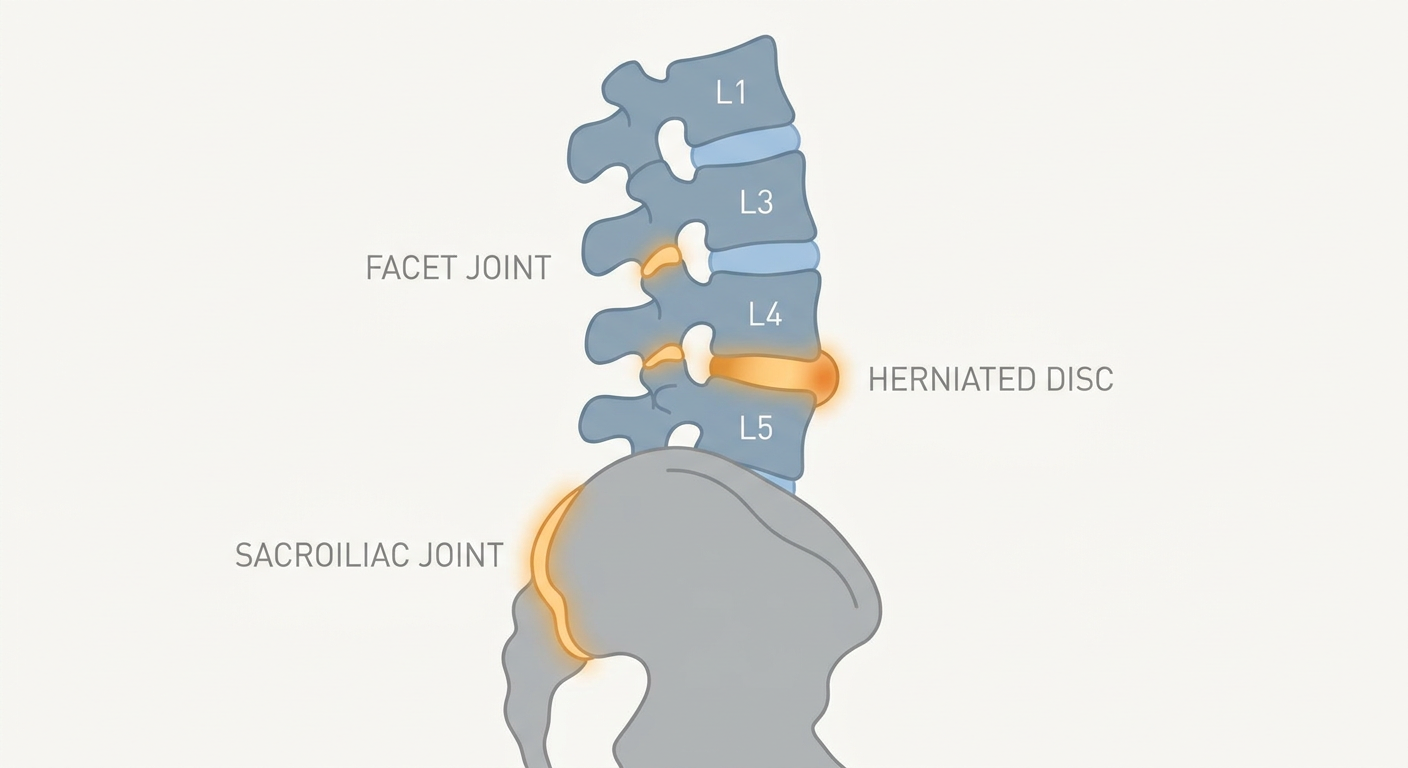
- Degenerative disc disease—age-related breakdown of spinal discs that can cause inflammation and nerve compression
- Herniated or bulging discs—disc material pressing on surrounding nerves, often causing sciatica that radiates down the legs
- Facet joint arthritis—inflammation of the small joints connecting vertebrae
- Spinal stenosis—narrowing of the spinal canal that compresses nerves
- Sacroiliac joint dysfunction—instability or inflammation in the joints connecting spine to pelvis
Phoenix-area residents face unique challenges that can worsen back conditions. Long commutes on the Loop 101 and I-10 place sustained pressure on spinal structures. The desert climate’s extreme temperature swings can trigger inflammatory flare-ups, particularly for those with arthritis. Active lifestyles—hiking South Mountain, golfing in Scottsdale, or weekend projects—often lead to repetitive strain injuries that accumulate over time.
Research published in the journal Pain Medicine indicates that conventional approaches frequently fall short for chronic back pain. Oral medications often mask symptoms without addressing underlying tissue damage. Extended opioid use carries serious risks including dependence and diminished effectiveness over time. And while surgery remains necessary for some patients, it involves significant recovery periods and doesn’t guarantee pain elimination—making minimally invasive alternatives increasingly attractive for Phoenix residents seeking lasting relief.
How Arizona Pain and Spine Institute Treats Back Pain
At Arizona Pain and Spine Institute, Dr. Khan and Dr. Ryklin take a fundamentally different approach to back pain. Rather than prescribing medications that mask symptoms or recommending surgery as a first option, they focus on treating pain at its source through targeted, minimally invasive interventions.
Regenerative Medicine: Healing Rather Than Masking
The practice’s flagship treatment, amniotic stem cell therapy, represents a paradigm shift in pain management. Unlike cortisone injections that provide only temporary relief by reducing inflammation, regenerative medicine harnesses your body’s natural healing mechanisms to actually repair damaged tissue.
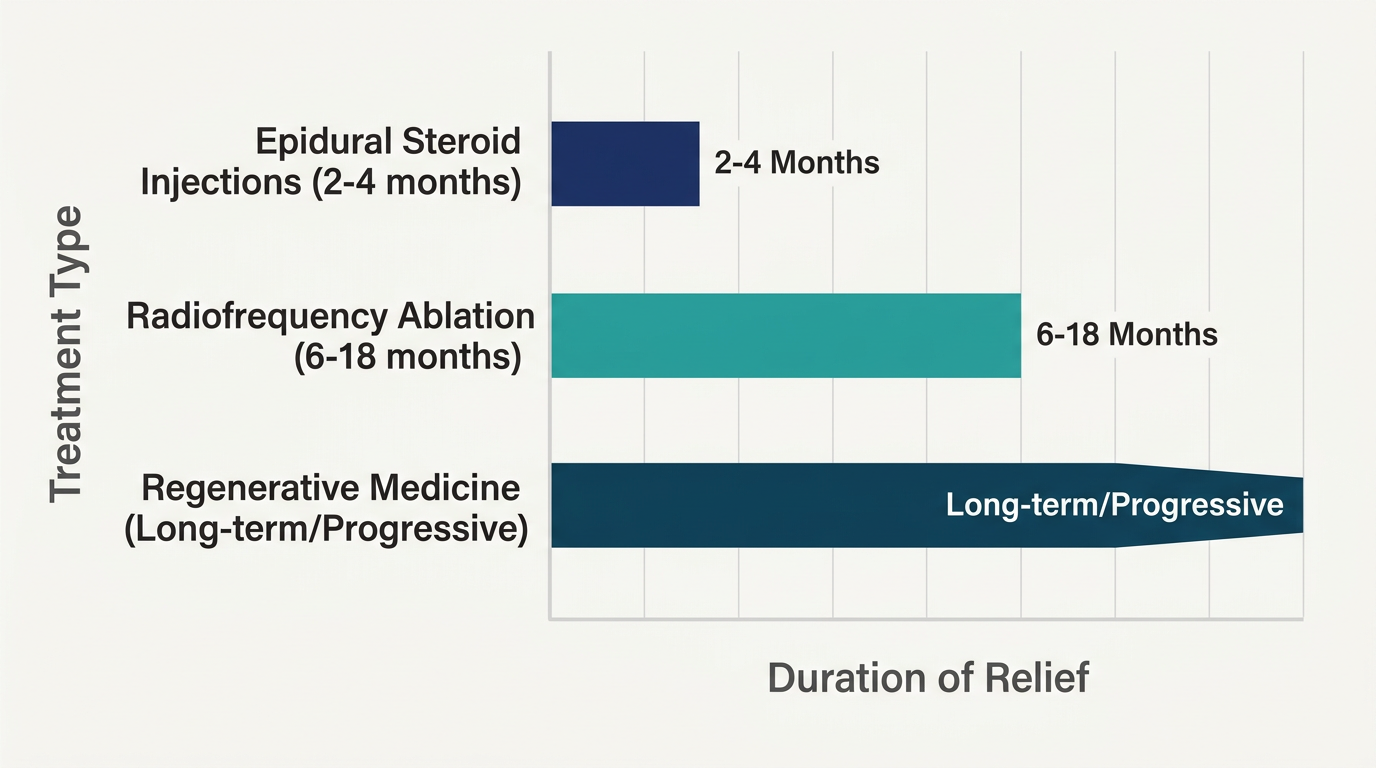
Dr. Khan and Dr. Ryklin use amniotic membrane-derived stem cells—rich in growth factors, cytokines, and hyaluronic acid—to promote tissue regeneration in deteriorating discs, arthritic joints, and damaged soft tissue structures. Patients often experience progressive improvement over several weeks as cellular repair occurs, with benefits lasting significantly longer than traditional steroid injections. This approach is particularly valuable for patients with disc degeneration who want to delay or avoid surgical intervention.
Interventional Procedures for Targeted Relief
When back pain stems from specific anatomical sources, targeted interventional procedures can deliver medication precisely where it’s needed most:
- Epidural steroid injections—Dr. Ryklin uses fluoroscopic imaging guidance to deliver anti-inflammatory medication directly into the epidural space surrounding compressed or irritated spinal nerves, providing relief for herniated discs and spinal stenosis
- Facet joint injections—for patients with arthritic facet joints, these injections reduce inflammation at the exact source of pain
- Sacroiliac joint injections—targeted treatment for SI joint dysfunction, a frequently overlooked cause of lower back and hip pain
Radiofrequency Ablation for Long-Term Relief
For patients who respond well to diagnostic nerve blocks, radiofrequency ablation (RFA) offers an excellent long-term solution. This procedure uses heat energy to create a lesion on specific nerves carrying pain signals, effectively interrupting the communication between the pain source and your brain. Dr. Khan performs RFA using precise imaging guidance, and many patients experience relief lasting 6-18 months—often longer. When pain eventually returns, the procedure can be safely repeated.
Personalized Treatment Planning
Every treatment plan at Arizona Pain and Spine Institute begins with a thorough evaluation. Dr. Khan and Dr. Ryklin take time to understand your specific condition, pain patterns, lifestyle demands, and treatment goals before recommending any procedure. This individualized approach—combined with the practice’s commitment to non-opioid pain treatment—ensures you receive the most appropriate intervention for your unique situation.
Don’t let back pain control your life any longer. Schedule a consultation with Dr. Khan or Dr. Ryklin at Arizona Pain and Spine Institute. Call (480) 986-7246 or book online. Locations in Mesa, Gilbert, and Queen Creek serve patients throughout the Phoenix metropolitan area.
What to Expect as a Patient
Many patients arrive at Arizona Pain and Spine Institute feeling frustrated by previous treatment failures or overwhelmed by the prospect of surgery. Dr. Khan and Dr. Ryklin understand this—which is why every patient experience begins with compassionate, thorough evaluation rather than a rushed treatment recommendation.
Your Initial Consultation
During your first appointment, you’ll meet with Dr. Khan, Dr. Ryklin, or one of their experienced providers (including nurse practitioners Julia Tuleneva and physician assistants Kaitlyn Spousta and Meghan). They’ll review your medical history, examine your spine, discuss previous treatments, and—most importantly—listen to how back pain affects your daily life. Diagnostic imaging helps pinpoint the exact source of your pain, ensuring any recommended treatment targets the right anatomical structure.
Minimally Invasive Procedures
Most interventional pain procedures at Arizona Pain and Spine Institute are performed on an outpatient basis and take less than an hour. Using fluoroscopic or ultrasound guidance for precision, Dr. Khan and Dr. Ryklin ensure medication or regenerative materials reach the exact target location. Many patients return to daily activities the same day, though specific recovery timelines vary based on the procedure.
Results vary by treatment type:
- Epidural steroid injections may provide relief within 2-7 days
- Radiofrequency ablation typically takes 2-3 weeks for full effect as the nerve lesion develops
- Regenerative medicine treatments often show progressive improvement over 4-8 weeks as tissue healing occurs
Insurance and FastTrack Access
Arizona Pain and Spine Institute works with most insurance plans. For patients who need treatment immediately—without waiting for insurance authorization—the practice offers a FastTrack cash-pay program with same-day appointment availability. Complete your patient forms online before your visit to streamline the process.
Do Steroid Injections Actually Help Back Pain?
Epidural steroid injections remain one of the most effective interventional treatments for specific types of back pain—particularly disc herniations and spinal stenosis causing nerve compression. Research published in the journal Spine demonstrates that properly targeted injections can provide significant relief lasting weeks to months, often allowing patients to participate more fully in physical therapy and rehabilitation.
The key is precision. Dr. Ryklin uses fluoroscopic imaging guidance to ensure medication reaches the exact location of nerve irritation, maximizing effectiveness while minimizing unnecessary exposure to surrounding tissues. Not every patient is a candidate for steroid injections, which is why thorough evaluation precedes any treatment recommendation at Arizona Pain and Spine Institute.
Can Regenerative Medicine Help Degenerative Disc Disease?
For patients with degenerative disc disease, regenerative medicine offers a fundamentally different approach than traditional injections. While steroids temporarily reduce inflammation, amniotic stem cell therapy delivers growth factors and cytokines that may actually promote disc repair and regeneration at the cellular level.
Dr. Khan has observed encouraging outcomes in patients receiving regenerative treatments for disc-related pain, particularly those who catch degeneration before severe structural damage occurs. This approach is especially appealing to active Phoenix residents who want to preserve spinal function and avoid or delay surgical intervention. Results continue developing over several weeks as cellular repair mechanisms take effect.
What Non-Surgical Options Exist for Sciatica in Phoenix?
Sciatica—radiating leg pain caused by compression of the sciatic nerve—responds well to several minimally invasive treatments. At Arizona Pain and Spine Institute, Dr. Khan and Dr. Ryklin commonly treat sciatica with epidural steroid injections targeting the compressed nerve root, followed by appropriate rehabilitation.
For patients with persistent sciatica unresponsive to injections, radiofrequency ablation or regenerative approaches may provide longer-term relief. The practice’s location in the East Valley serves patients from Phoenix, Scottsdale, Chandler, and throughout the metro area seeking alternatives to spinal surgery for sciatica and related conditions.
Conclusion: Take the First Step Toward Relief
Chronic back pain doesn’t have to define your life in Phoenix. With advances in interventional pain management, regenerative medicine, and targeted procedures like radiofrequency ablation, lasting relief is possible without surgery or long-term opioid dependence.
Dr. Asim Khan and Dr. Daniel Ryklin have helped thousands of Arizona patients reclaim active, pain-free lives through individualized treatment plans focused on healing rather than masking symptoms. Take the first step toward the relief you deserve.
Call (480) 986-7246 or schedule online. Arizona Pain and Spine Institute serves Phoenix, Mesa, Gilbert, Queen Creek, Scottsdale, Chandler, and the entire East Valley from three convenient locations.
Frequently Asked Questions
How long do epidural steroid injections last for back pain?
Results vary by patient and condition, but many patients experience relief lasting several weeks to several months following epidural steroid injections. Dr. Khan and Dr. Ryklin use imaging guidance to maximize precision and effectiveness. If injections provide good temporary relief, radiofrequency ablation may offer a longer-lasting solution.
Does Arizona Pain and Spine Institute accept insurance?
Yes, Arizona Pain and Spine Institute works with most insurance plans. For patients who need immediate treatment without waiting for authorization, the FastTrack cash-pay program provides same-day access to consultations and procedures at our Mesa, Gilbert, and Queen Creek locations.
Is stem cell therapy for back pain FDA approved?
Amniotic membrane-derived regenerative treatments fall under the FDA’s regulatory framework for human cells, tissues, and cellular and tissue-based products (HCT/Ps). Dr. Khan and Dr. Ryklin carefully select regenerative products that meet regulatory requirements while offering patients an innovative alternative to traditional steroid injections.
Can I avoid back surgery with interventional pain management?
Many patients successfully avoid or significantly delay back surgery through interventional treatments. Dr. Khan and Dr. Ryklin have helped thousands of patients find relief through epidural injections, regenerative medicine, and radiofrequency ablation—eliminating or reducing the need for surgical intervention while preserving spinal function.
Where can I find back pain relief near Gilbert or Queen Creek?
Arizona Pain and Spine Institute operates three convenient East Valley locations—East Mesa, Mesa/Gilbert, and Queen Creek—serving patients throughout the Phoenix metropolitan area. Call (480) 986-7246 to schedule a consultation with Dr. Khan or Dr. Ryklin.
The statements on this blog are not intended to diagnose, treat, cure, or prevent any disease. The information provided reflects published medical research and Arizona Pain and Spine Institute’s clinical expertise. Individual results vary based on condition, severity, and treatment response. Always consult Dr. Khan, Dr. Ryklin, or your personal physician for specific medical advice. For appointments, call (480) 986-7246 or visit gotpainarizona.com.