 Get an appointment within days, not weeks or months

Understanding Neuropathy: The Hidden Pain Affecting Gilbert Residents
You know the feeling. The burning sensation in your feet that makes walking across your kitchen floor feel like stepping on hot coals. The tingling in your hands that makes it impossible to button your shirt or grip your morning coffee. The numbness that creeps up your legs, making you worry about falling during your evening walk at Riparian Preserve.
If you’re living with neuropathy in Gilbert, Arizona, effective relief without surgery or long-term medication is possible. The best non-surgical neuropathy treatments include regenerative medicine using amniotic stem cell therapy, nerve block injections, and radiofrequency ablation. These minimally invasive approaches target damaged nerves directly, reducing inflammation and promoting natural healing. Dr. Asim Khan and Dr. Daniel Ryklin at Arizona Pain and Spine Institute specialize in these advanced therapies for Gilbert and East Valley patients seeking alternatives to invasive procedures.
This comprehensive guide explains what causes neuropathy, why traditional treatments often fall short, and how our board-certified pain specialists use cutting-edge regenerative medicine and interventional techniques to help you reclaim your life from nerve pain.
What Is Neuropathy and Why Does It Hurt So Much?
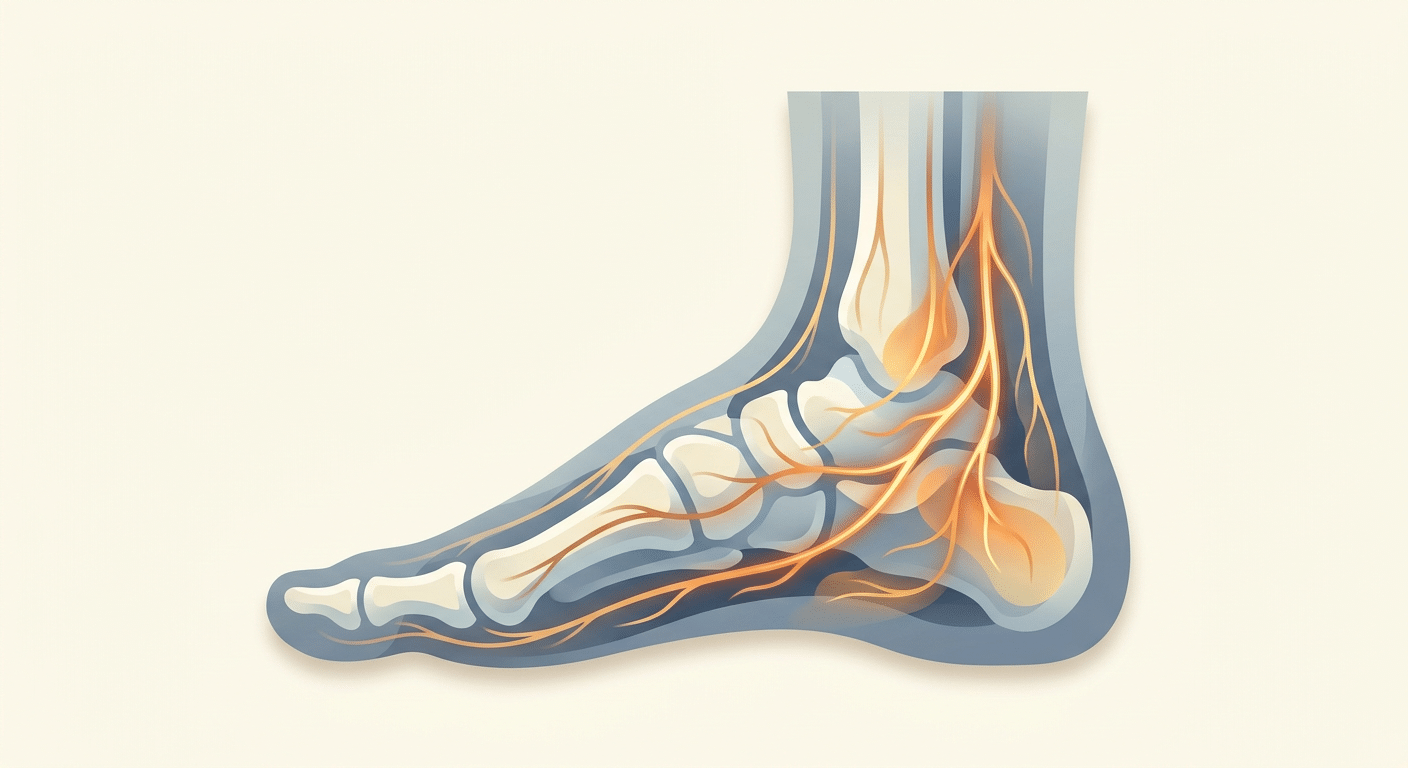
Neuropathy—also called peripheral neuropathy—occurs when the nerves outside your brain and spinal cord become damaged. These peripheral nerves carry signals between your brain and the rest of your body, controlling everything from sensation and movement to organ function.
When these nerves sustain damage, they send faulty signals to your brain. Sometimes they fire pain messages when there’s no injury. Other times they fail to register sensations at all, leaving you numb to touch, temperature, or even wounds on your feet.
Get Back Your Normal Life Again
As pain specialists, we can guarantee that we are more than qualified in alleviating your pain and treating your condition.
According to the National Institute of Neurological Disorders and Stroke, more than 20 million Americans suffer from peripheral neuropathy, with many cases going undiagnosed or undertreated.
Common Causes of Neuropathy in Arizona
Gilbert and East Valley residents face several risk factors that contribute to nerve damage:
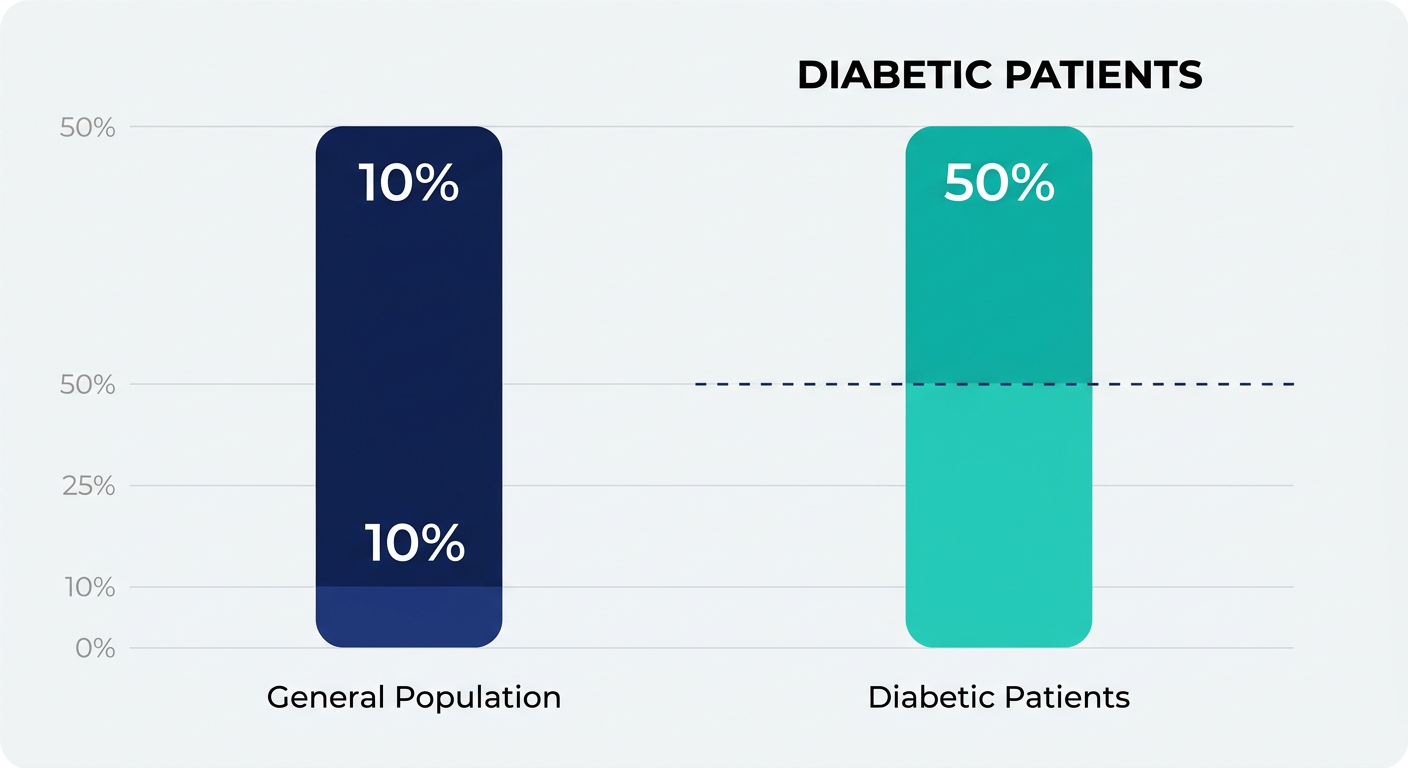
- Diabetes: The leading cause of neuropathy. The CDC reports that approximately 50% of people with diabetes develop some form of neuropathy. Arizona’s diabetes rates track closely with national averages, affecting hundreds of thousands of residents.
- Autoimmune conditions: Lupus, rheumatoid arthritis, and Guillain-Barré syndrome can trigger nerve inflammation and damage.
- Chemotherapy: Many cancer treatments cause chemotherapy-induced peripheral neuropathy (CIPN) that persists long after treatment ends.
- Physical trauma: Car accidents on the 202 or 60, sports injuries at Freestone Park, or workplace incidents can compress or sever nerves.
- Vitamin deficiencies: Low levels of B vitamins—common in Arizona’s active senior communities—contribute to nerve deterioration.
- Idiopathic neuropathy: In roughly 30% of cases, no identifiable cause is found.
Why Conventional Neuropathy Treatments Often Fail
If you’ve been living with neuropathy, you’ve likely tried the standard treatment ladder. Gabapentin or Lyrica for nerve pain. Antidepressants like duloxetine. Maybe even opioid medications when nothing else worked.
Here’s the problem: these medications mask symptoms without addressing the underlying nerve damage. They come with side effects—drowsiness, weight gain, cognitive fog—that can be as debilitating as the pain itself. And for many patients, tolerance builds over time, requiring ever-higher doses for diminishing relief.
Surgery is occasionally offered for neuropathy caused by nerve compression, but it carries significant risks: infection, scarring, and no guarantee of improvement. Many patients feel trapped between medications that don’t work and surgery they’re not willing to undergo.
Dr. Khan sees this pattern repeatedly. “Patients come to us after years of cycling through medications that leave them feeling disconnected from their own lives,” he explains. “They’re looking for something different—a treatment that actually targets the damaged nerves rather than just numbing the symptoms.”
How Arizona Pain and Spine Institute Treats Neuropathy
At Arizona Pain and Spine Institute, Dr. Khan and Dr. Ryklin take a fundamentally different approach to neuropathic pain. Their philosophy centers on treating pain at its source rather than masking symptoms with medication.
As board-certified interventional pain management specialists, they use advanced diagnostic techniques to identify exactly where nerve damage occurs, then apply targeted treatments to promote healing and disrupt pain signals.
Regenerative Medicine: The Flagship Approach
Regenerative medicine using amniotic membrane stem cell therapy represents the most innovative treatment available for neuropathy at Arizona Pain and Spine Institute.
Unlike cortisone injections that provide temporary relief by reducing inflammation, amniotic stem cell therapy works to repair damaged tissue at the cellular level. The amniotic membrane contains powerful growth factors, cytokines, and extracellular matrix proteins that:
- Reduce inflammation around damaged nerves
- Promote natural tissue regeneration
- Support the body’s own healing mechanisms
- Provide longer-lasting relief than traditional injections
Dr. Ryklin explains: “Regenerative medicine offers something medications simply cannot—the potential for actual tissue repair. We’re not just blocking pain signals; we’re giving the body the tools it needs to heal damaged nerves.”
Patients travel from across Arizona and neighboring states specifically for this treatment, which remains unavailable at many conventional pain clinics.
Nerve Block Injections
Nerve pain injections deliver anti-inflammatory medication directly to the affected nerves under imaging guidance. This precision approach ensures the medication reaches exactly where it’s needed, providing targeted relief without systemic side effects.
For neuropathy patients, nerve blocks can:
- Interrupt the pain cycle, allowing damaged nerves to calm
- Reduce inflammation contributing to ongoing nerve damage
- Provide diagnostic information about which nerves are causing symptoms
- Offer relief lasting weeks to months
Radiofrequency Ablation (RFA)
Radiofrequency ablation uses controlled heat to disrupt the nerve signals carrying pain messages to your brain. For neuropathy patients with specific nerve involvement, RFA can provide relief lasting 6 to 12 months or longer.
The procedure is performed under local anesthesia with fluoroscopic (X-ray) guidance. Dr. Khan precisely positions a specialized needle near the target nerve, then delivers radiofrequency energy to create a small lesion that interrupts pain transmission.
The Personalized Treatment Plan
Every neuropathy case is unique. A diabetic patient with burning foot pain requires different treatment than someone with chemotherapy-induced neuropathy affecting their hands. Dr. Khan and Dr. Ryklin create customized treatment plans based on:
- The type and cause of your neuropathy
- Which nerves are affected and to what degree
- Your overall health status and medical history
- Your lifestyle, activity level, and treatment goals
- Your response to previous treatments
The goal is always the same: to get you off medications when possible and provide natural solutions that address the root cause of your pain.
Don’t let neuropathy control your life. Schedule a consultation with Dr. Khan or Dr. Ryklin at Arizona Pain and Spine Institute to discuss your non-surgical treatment options. Call (480) 986-7246 or book online. Convenient locations in East Mesa, Mesa/Gilbert, and Queen Creek.
What to Expect as a Neuropathy Patient
Your Initial Consultation
When you visit Arizona Pain and Spine Institute for neuropathy treatment, you’re not just another number. Dr. Khan and Dr. Ryklin take time to understand your complete pain picture—when symptoms started, what makes them better or worse, how neuropathy affects your daily life, and what you’ve already tried.
They review any existing imaging, lab work, or nerve conduction studies. If additional diagnostics are needed, they’ll explain exactly why and what the results will tell us about your condition.
Most importantly, they listen. The frustration of living with neuropathy for months or years deserves acknowledgment, not dismissal.
During Your Procedure
Most neuropathy treatments at Arizona Pain and Spine Institute are minimally invasive procedures performed right in the office. Here’s what you can expect:
- You’ll be positioned comfortably, and the treatment area will be cleaned and numbed with local anesthesia.
- Using fluoroscopic (X-ray) or ultrasound guidance, Dr. Khan or Dr. Ryklin will precisely position the needle or injection.
- The treatment is delivered—whether regenerative medicine, a nerve block, or radiofrequency ablation.
- You’ll be monitored briefly, then provided with post-procedure instructions.
Most patients return to normal daily activities the same day or within 24 to 48 hours.
Recovery and Results Timeline
Results vary based on the treatment type and your individual condition:
- Nerve block injections: Relief often begins within days and may last several weeks to months.
- Regenerative medicine: Because stem cell therapy promotes tissue repair, results develop gradually over 2 to 6 weeks as healing progresses. Many patients report continued improvement for months.
- Radiofrequency ablation: Relief typically begins within 1 to 2 weeks and can last 6 to 12 months or longer.
Dr. Khan and Dr. Ryklin schedule follow-up appointments to monitor your progress and adjust your treatment plan as needed. The goal isn’t a one-time fix—it’s a comprehensive strategy for long-term relief.
Insurance and FastTrack Cash-Pay
Arizona Pain and Spine Institute works with most major insurance plans. Our staff will verify your coverage and explain your benefits before treatment.
For patients who need treatment immediately—without waiting for insurance pre-authorization—we offer our FastTrack cash-pay program. FastTrack provides same-day appointments, bypassing insurance delays so you can start your path to relief today.
Frequently Asked Questions: Neuropathy Treatment in Gilbert
Can neuropathy nerve damage be reversed?
Some nerve damage can be partially reversed with proper treatment, especially when caught early. Regenerative medicine using amniotic stem cell therapy promotes natural tissue repair, and removing the underlying cause (such as controlling diabetes) can halt progression. Dr. Khan and Dr. Ryklin evaluate each patient individually to determine your potential for nerve recovery.
How long does it take for neuropathy treatment to work?
Treatment timelines vary by approach. Nerve block injections often provide relief within days. Regenerative medicine therapies work gradually over 2 to 6 weeks as tissue repair occurs. Radiofrequency ablation typically shows results within 1 to 2 weeks. During your consultation at Arizona Pain and Spine Institute, Dr. Khan or Dr. Ryklin will explain what timeline to expect for your specific treatment plan.
Does insurance cover neuropathy treatment in Arizona?
Most insurance plans cover diagnostic consultations and many interventional pain procedures for neuropathy. Coverage for regenerative medicine varies by plan. Arizona Pain and Spine Institute verifies your benefits before treatment and offers a FastTrack cash-pay option for patients who prefer not to wait for insurance authorization. Call (480) 986-7246 to discuss your coverage.
Where can I find a neuropathy specialist near Gilbert, AZ?
Arizona Pain and Spine Institute has a convenient Mesa/Gilbert location serving patients throughout the East Valley. Board-certified pain specialists Dr. Asim Khan and Dr. Daniel Ryklin treat neuropathy using advanced regenerative medicine and minimally invasive techniques. Additional locations in East Mesa and Queen Creek ensure accessible care for Chandler, Tempe, and surrounding communities.
Is non-surgical neuropathy treatment really effective?
Yes. Non-surgical treatments like regenerative medicine, nerve blocks, and radiofrequency ablation effectively reduce neuropathic pain for many patients—often more sustainably than medications alone. Dr. Khan and Dr. Ryklin have helped thousands of patients avoid surgery while achieving significant pain relief. Review our patient testimonials to hear directly from people who found relief through our treatments.
Take the First Step Toward Nerve Pain Relief
Living with neuropathy is exhausting. The burning, tingling, and numbness affect every part of your day—from your ability to work to your enjoyment of time with family. You deserve treatment that goes beyond simply masking symptoms.
Dr. Asim Khan and Dr. Daniel Ryklin at Arizona Pain and Spine Institute specialize in non-surgical neuropathy treatment using regenerative medicine and advanced interventional techniques. Their goal is to get you off medications when possible and provide lasting relief through therapies that target the source of your pain.
Call (480) 986-7246 or schedule your consultation online. With locations in Mesa, Gilbert, and Queen Creek, effective neuropathy treatment is closer than you think.
The statements on this blog are not intended to diagnose, treat, cure, or prevent any disease. The information provided reflects published medical research and Arizona Pain and Spine Institute’s clinical expertise. Individual results vary based on condition, severity, and treatment response. Always consult Dr. Khan, Dr. Ryklin, or your personal physician for specific medical advice. For appointments, call (480) 986-7246 or visit gotpainarizona.com.
Frequently Asked Questions
Can neuropathy nerve damage be reversed?
Some nerve damage can be partially reversed with proper treatment, especially when caught early. Regenerative medicine using amniotic stem cell therapy promotes natural tissue repair, and removing the underlying cause (such as controlling diabetes) can halt progression. Dr. Khan and Dr. Ryklin evaluate each patient individually to determine your potential for nerve recovery.
How long does it take for neuropathy treatment to work?
Treatment timelines vary by approach. Nerve block injections often provide relief within days. Regenerative medicine therapies work gradually over 2 to 6 weeks as tissue repair occurs. Radiofrequency ablation typically shows results within 1 to 2 weeks. During your consultation at Arizona Pain and Spine Institute, Dr. Khan or Dr. Ryklin will explain what timeline to expect for your specific treatment plan.
Does insurance cover neuropathy treatment in Arizona?
Most insurance plans cover diagnostic consultations and many interventional pain procedures for neuropathy. Coverage for regenerative medicine varies by plan. Arizona Pain and Spine Institute verifies your benefits before treatment and offers a FastTrack cash-pay option for patients who prefer not to wait for insurance authorization. Call (480) 986-7246 to discuss your coverage.
Where can I find a neuropathy specialist near Gilbert, AZ?
Arizona Pain and Spine Institute has a convenient Mesa/Gilbert location serving patients throughout the East Valley. Board-certified pain specialists Dr. Asim Khan and Dr. Daniel Ryklin treat neuropathy using advanced regenerative medicine and minimally invasive techniques. Additional locations in East Mesa and Queen Creek ensure accessible care for Chandler, Tempe, and surrounding communities.
Is non-surgical neuropathy treatment really effective?
Yes. Non-surgical treatments like regenerative medicine, nerve blocks, and radiofrequency ablation effectively reduce neuropathic pain for many patients—often more sustainably than medications alone. Dr. Khan and Dr. Ryklin have helped thousands of patients avoid surgery while achieving significant pain relief.