 Get an appointment within days, not weeks or months

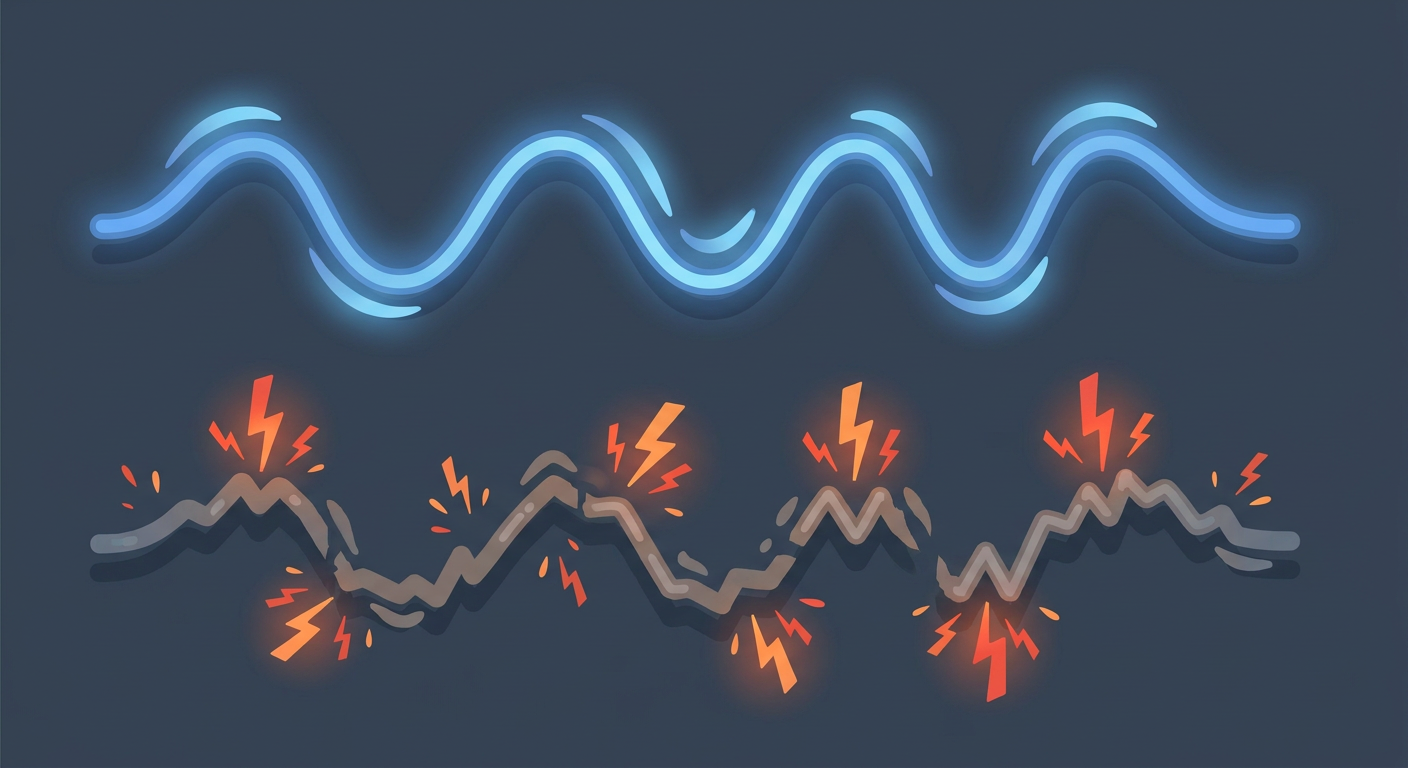
Living with neuropathic pain means enduring sensations most people cannot understand—burning that spreads through your feet at night, electrical jolts shooting down your legs, or numbness that makes every step uncertain. According to the National Institutes of Health, neuropathic pain affects approximately 7-10% of the general population, yet it remains one of the most undertreated pain conditions because standard medications often provide inadequate relief.
Dr. Asim Khan and Dr. Daniel Ryklin at Arizona Pain and Spine Institute specialize in neuropathic pain treatment using minimally invasive interventional procedures and regenerative medicine. Rather than relying solely on medications that mask symptoms, they target damaged nerve pathways directly—helping East Valley patients achieve meaningful, lasting relief. This article explains what causes neuropathic pain, why conventional treatments often fall short, and how specialized care in Mesa, Gilbert, and Queen Creek can help you reclaim your life.
Understanding Neuropathic Pain: When Nerves Send the Wrong Signals
Neuropathic pain differs fundamentally from the aches and soreness you might feel after an injury or workout. While most pain signals a current problem—inflammation, tissue damage, or strain—neuropathic pain originates from the nervous system itself. Damaged or dysfunctional nerves misfire, sending pain signals to your brain even when no active injury exists.
Common causes of neuropathic pain include:
- Diabetes — High blood sugar damages peripheral nerves over time, causing diabetic neuropathy that affects millions of Arizonans
- Spinal conditions — Herniated discs, spinal stenosis, and degenerative changes compress nerve roots, triggering radiating nerve pain
- Chemotherapy — Cancer treatments can damage peripheral nerves, causing persistent numbness, tingling, and burning
- Shingles — The virus that causes shingles can leave behind postherpetic neuralgia, a persistent burning pain along affected nerve pathways
- Injuries and surgeries — Trauma or surgical procedures can damage nerves, leading to chronic pain syndromes
For East Valley residents, certain lifestyle factors compound neuropathic pain challenges. Long commutes on the 202 and 60 freeways mean extended sitting that aggravates compressed nerve roots. Arizona’s intense summer heat can worsen circulation issues in patients with diabetic neuropathy. The active-adult communities in Gilbert and Queen Creek include many residents managing diabetes or recovering from orthopedic surgeries—both populations at elevated risk for nerve pain.
Get Back Your Normal Life Again
As pain specialists, we can guarantee that we are more than qualified in alleviating your pain and treating your condition.
What makes neuropathic pain particularly frustrating is how often conventional approaches fail. A study published in Pain Medicine found that less than 50% of patients with neuropathic pain achieve adequate relief from first-line medications alone. Many patients cycle through multiple prescriptions—gabapentin, pregabalin, duloxetine, opioids—without finding a combination that controls their symptoms without intolerable side effects. Meanwhile, surgery carries significant risks and isn’t always appropriate for nerve-related conditions.
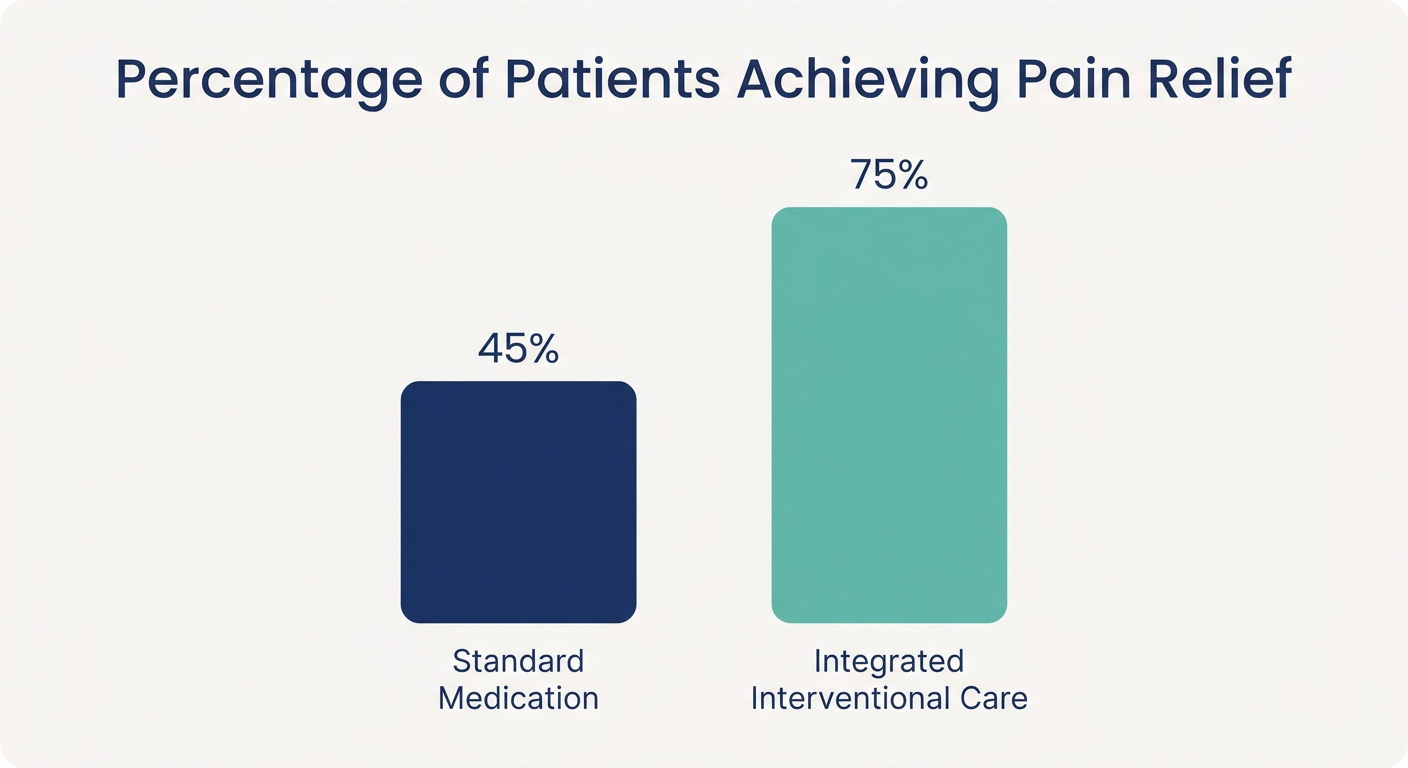
How Arizona Pain and Spine Institute Treats Neuropathic Pain
Dr. Khan and Dr. Ryklin approach neuropathic pain differently than practices that rely primarily on prescription medications. As co-founders of Arizona Pain and Spine Institute, they built their practice around a core philosophy: treat pain at its source rather than masking symptoms. For nerve pain, this means combining targeted interventional procedures with regenerative therapies that support nerve healing.
Regenerative Medicine for Nerve Pain
Arizona Pain and Spine Institute’s flagship treatment—amniotic membrane stem cell therapy—offers something that traditional medications cannot: the potential for actual tissue repair. Unlike cortisone injections that provide temporary anti-inflammatory effects, regenerative treatments introduce growth factors and cellular components that may reduce nerve inflammation and support the body’s natural healing processes.
Dr. Khan explains that regenerative medicine works particularly well for neuropathic pain because damaged nerves require an environment conducive to healing. Amniotic stem cell therapy delivers concentrated anti-inflammatory signals directly to affected areas, potentially improving nerve function rather than simply dulling pain perception.
Nerve Blocks and Targeted Injections
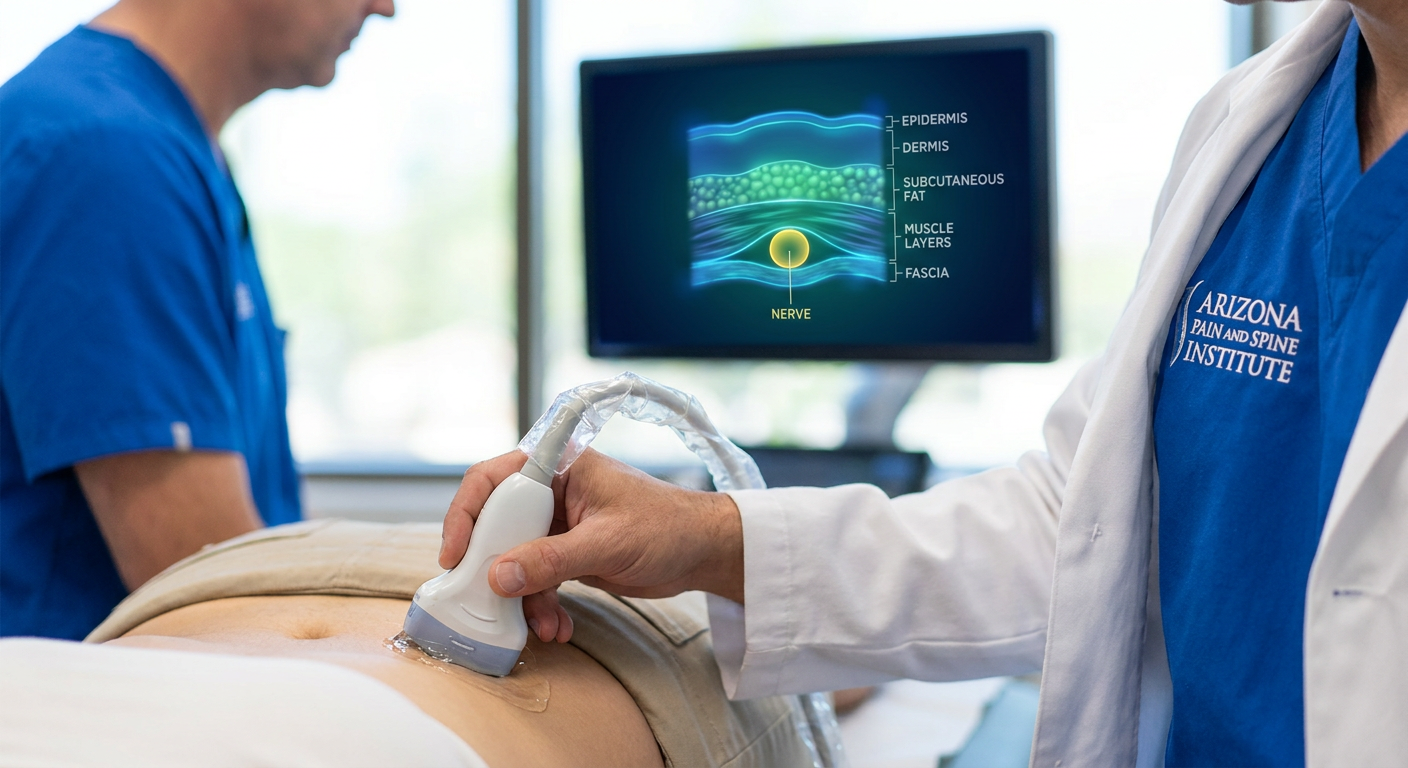
Interventional procedures allow Dr. Ryklin to target specific nerve pathways with precision. Using imaging guidance for accuracy, these minimally invasive treatments interrupt pain signals at their source:
- Epidural steroid injections — Deliver anti-inflammatory medication directly to compressed spinal nerve roots, reducing irritation that causes radiating nerve pain
- Sympathetic nerve blocks — Target the sympathetic nervous system to address complex regional pain syndrome and other nerve-mediated conditions
- Peripheral nerve blocks — Interrupt pain signals from specific peripheral nerves, providing diagnostic information and therapeutic relief
Radiofrequency Ablation
For patients with nerve pain originating from specific, identifiable nerve pathways, radiofrequency ablation (RFA) offers longer-lasting relief. This procedure uses controlled heat to disrupt the nerve fibers carrying pain signals to the brain. While the treatment doesn’t repair damaged nerves, it can provide months to years of relief by interrupting the pain transmission pathway.
Stellate Ganglion Block for Complex Cases
Some neuropathic pain conditions involve the autonomic nervous system—the network that controls involuntary functions like circulation and temperature regulation. The stellate ganglion block (SGB) targets a key nerve cluster in the neck, helping reset overactive sympathetic responses that contribute to certain chronic pain conditions. Dr. Khan has extensive experience using SGB for complex regional pain syndrome and other nerve-related disorders.
The Non-Surgical, Non-Opioid Philosophy
Dr. Khan and Dr. Ryklin’s goal is to get patients off medications when possible and provide natural solutions. This doesn’t mean rejecting all medications—it means using them strategically as part of a comprehensive plan that addresses the underlying problem. Many patients arrive at Arizona Pain and Spine Institute after years on multiple prescriptions, seeking alternatives. Through targeted interventional procedures and regenerative treatments, many achieve enough relief to reduce or eliminate their medication burden.
For patients who need treatment immediately, the FastTrack cash-pay program offers same-day appointments that bypass insurance delays. This option proves particularly valuable for neuropathic pain patients who have already waited months for referrals and authorizations through traditional channels.
Don’t let nerve pain control your life. Schedule a consultation with Dr. Khan or Dr. Ryklin at Arizona Pain and Spine Institute. Call (480) 986-7246 or book online. Locations in Mesa, Gilbert, and Queen Creek.
What to Expect as a Patient
Your journey at Arizona Pain and Spine Institute begins with a comprehensive consultation. Dr. Khan or Dr. Ryklin will take time to understand not just your symptoms, but your complete pain history—how the condition started, what treatments you’ve tried, how pain affects your daily life, and what outcomes matter most to you. This isn’t a rushed appointment; the co-founders believe accurate diagnosis drives effective treatment.
Depending on your specific condition, diagnostic testing may include nerve conduction studies, imaging, or diagnostic nerve blocks that help pinpoint which nerve pathways are generating your pain. This precision matters because neuropathic pain can originate from multiple sources, and effective treatment requires identifying the right targets.
Most interventional procedures at Arizona Pain and Spine Institute are performed using fluoroscopic or ultrasound guidance, ensuring precise needle placement. These minimally invasive treatments typically allow same-day return to normal activities, though regenerative procedures may require a brief period of reduced activity while healing begins.
Results timelines vary by treatment. Nerve blocks often provide immediate relief that helps confirm diagnosis and guides future treatment decisions. Radiofrequency ablation typically reaches full effect within 2-4 weeks. Regenerative treatments may take several weeks to months as the body responds to growth factors and begins tissue repair processes.
Follow-up appointments allow the team to monitor your progress and adjust treatment plans as needed. Neuropathic pain often requires a multi-faceted approach, and Dr. Khan and Dr. Ryklin continuously refine your care based on how you respond to initial treatments.
Arizona Pain and Spine Institute works with most insurance plans. For patients seeking faster access or those whose insurance doesn’t cover specific treatments, the FastTrack cash-pay option provides immediate scheduling without authorization delays.
Is Neuropathic Pain Curable or Just Manageable?
The honest answer depends on the underlying cause. When neuropathic pain results from a reversible condition—such as a herniated disc compressing a nerve root—appropriate treatment can resolve the problem entirely. Many patients who undergo successful interventional procedures experience complete or near-complete resolution of their nerve pain.
However, some causes of neuropathic pain involve permanent nerve damage. In these cases, the goal shifts to optimal management—reducing pain to levels that allow you to sleep, work, and enjoy life. Dr. Ryklin emphasizes that even “management” can mean dramatic improvement. Patients who arrive unable to walk through a grocery store often regain enough function to hike Usery Mountain or play with grandchildren.
Regenerative medicine offers particular promise for patients with nerve damage. While research continues to evolve, early evidence suggests that stem cell and growth factor therapies may support nerve regeneration in ways that weren’t possible with previous treatment approaches. Dr. Khan stays current with emerging research to offer patients the most advanced options available.
What Is the Difference Between Neuropathic Pain and Regular Pain?
Regular pain—called nociceptive pain—occurs when your nervous system accurately reports tissue damage. You stub your toe, nerves detect the injury, and your brain interprets the signal as pain. The pain serves a protective function and typically resolves as the injury heals.
Neuropathic pain represents a malfunction in this system. The nerves themselves are damaged or dysfunctional, generating pain signals without corresponding tissue injury. This explains why neuropathic pain often feels different—burning, electrical, tingling, or shooting rather than the dull ache of a muscle strain. It also explains why treatments effective for regular pain often fail for nerve pain.
At Arizona Pain and Spine Institute, Dr. Khan and Dr. Ryklin use this distinction to guide treatment selection. Nociceptive pain often responds well to anti-inflammatory medications and physical therapy. Neuropathic pain typically requires interventional approaches that target the nervous system directly.
How Long Does It Take for Nerve Pain Treatment to Work?
Treatment response times vary significantly based on the specific procedure and your individual condition. Here’s what patients typically experience:
- Diagnostic nerve blocks — Often provide immediate relief lasting hours to days, helping confirm the pain source
- Therapeutic nerve blocks — May provide relief lasting weeks to months, with some patients experiencing longer-term improvement
- Radiofrequency ablation — Full effects typically develop over 2-4 weeks as targeted nerves respond to treatment
- Regenerative medicine — Initial improvement may occur within days to weeks, with continued improvement over 2-6 months as tissue healing progresses
Dr. Ryklin notes that patients travel from across Arizona—and even out of state—for treatment at Arizona Pain and Spine Institute because they’ve seen significant improvement where other approaches failed. The key is matching the right treatment to the right patient, which requires the thorough diagnostic approach the practice emphasizes.
Does Insurance Cover Neuropathic Pain Treatment in Arizona?
Most insurance plans cover medically necessary interventional pain procedures, including many treatments used for neuropathic pain. Arizona Pain and Spine Institute’s team works with major insurance carriers to obtain authorizations and minimize out-of-pocket costs for patients.
Some advanced treatments, particularly certain regenerative medicine procedures, may not be covered by all insurance plans. For these treatments—or for patients who need faster access than insurance authorization timelines allow—the FastTrack cash-pay program offers same-day appointments at transparent pricing. Many patients find this option valuable when insurance barriers would otherwise delay treatment for weeks or months.
The patient services team can verify your specific coverage and discuss all available options during scheduling.
Conclusion: Taking the First Step Toward Relief
Neuropathic pain doesn’t have to define your life. While nerve pain presents unique challenges that often frustrate conventional treatment approaches, the specialized interventional and regenerative therapies available at Arizona Pain and Spine Institute offer real alternatives. Dr. Khan and Dr. Ryklin have built their East Valley practice around helping patients escape the cycle of ineffective medications and achieve meaningful, lasting improvement.
Whether your nerve pain stems from diabetes, a spinal condition, an injury, or another cause, the first step is an accurate diagnosis and a treatment plan designed specifically for you. Take that step today—call (480) 986-7246 or schedule online. Arizona Pain and Spine Institute serves patients at three convenient locations in Mesa, Gilbert, and Queen Creek.
Frequently Asked Questions
What is the most effective treatment for neuropathic pain?
The most effective neuropathic pain treatment depends on the underlying cause and pain location. Dr. Khan and Dr. Ryklin typically combine targeted interventional procedures—such as nerve blocks or radiofrequency ablation—with regenerative medicine therapies. This multi-faceted approach addresses both immediate pain relief and long-term healing potential.
Are there neuropathic pain specialists in Mesa, Arizona?
Yes. Dr. Asim Khan and Dr. Daniel Ryklin at Arizona Pain and Spine Institute specialize in neuropathic pain treatment at their Mesa, Gilbert, and Queen Creek locations. Both are board-certified pain specialists with expertise in interventional procedures and regenerative medicine for nerve-related conditions.
Can neuropathy be treated without medication?
Many patients achieve significant neuropathy relief through interventional procedures and regenerative therapies without relying on daily medications. Dr. Khan and Dr. Ryklin focus on non-surgical approaches that target nerve pain at its source, with the goal of reducing or eliminating medication dependence when possible.
How much does nerve pain treatment cost in Gilbert or Queen Creek?
Treatment costs vary based on your specific condition and recommended procedures. Arizona Pain and Spine Institute works with most insurance plans and offers a FastTrack cash-pay program for same-day appointments. Contact the patient services team at (480) 986-7246 for coverage verification and pricing information.
Does regenerative medicine work for peripheral neuropathy?
Regenerative medicine, including amniotic stem cell therapy, shows promise for peripheral neuropathy by delivering growth factors that may support nerve healing and reduce inflammation. While results vary by patient and condition severity, many East Valley patients have experienced meaningful improvement through regenerative treatments at Arizona Pain and Spine Institute.