 Get an appointment within days, not weeks or months


Living with fibromyalgia means waking up exhausted despite sleeping for hours, dreading the simplest tasks because your entire body aches, and wondering if anyone truly understands what you’re experiencing. The widespread pain, the brain fog, the unpredictable flare-ups—they steal your quality of life piece by piece. According to the Centers for Disease Control and Prevention, approximately 4 million U.S. adults live with fibromyalgia, yet many struggle to find effective treatment.
Modern fibromyalgia treatment focuses on addressing the underlying nervous system dysfunction rather than simply masking symptoms with medication. At Arizona Pain and Spine Institute, Dr. Asim Khan and Dr. Daniel Ryklin offer advanced interventional therapies—including trigger point injections, nerve blocks, and regenerative medicine—that help Scottsdale and East Valley patients reclaim their lives without relying on long-term opioid use.
This guide explains what causes fibromyalgia pain, how Arizona Pain and Spine Institute treats it differently, and what you can expect as a patient seeking relief in the Scottsdale and Phoenix metro area.
Understanding Fibromyalgia: Why the Pain Feels So Overwhelming
Fibromyalgia is a chronic pain condition characterized by widespread musculoskeletal pain, fatigue, sleep disturbances, and cognitive difficulties often called “fibro fog.” Unlike arthritis or injuries with visible damage, fibromyalgia involves how your central nervous system processes pain signals—essentially, your brain amplifies pain sensations that wouldn’t normally register as severe.
Researchers believe fibromyalgia develops from a combination of genetic predisposition, physical trauma, infections, and significant psychological stress. The condition affects approximately 2-4% of the population, with women experiencing it at nearly twice the rate of men according to the National Institute of Arthritis and Musculoskeletal and Skin Diseases.
Get Back Your Normal Life Again
As pain specialists, we can guarantee that we are more than qualified in alleviating your pain and treating your condition.
For Arizona residents, certain lifestyle factors can intensify symptoms:
- Long commutes on the 101, 202, or I-10 create sustained postural stress
- Monsoon season barometric pressure changes trigger flare-ups
- Extreme summer heat limits outdoor activity, reducing natural movement therapy
- Sleep disruption from temperature fluctuations compounds fatigue
Traditional approaches often fall short because they treat fibromyalgia as a single problem requiring a single solution. Patients cycle through muscle relaxants, antidepressants, anti-seizure medications, and sometimes opioids—often finding temporary relief at best, debilitating side effects at worst. Many feel dismissed by physicians who can’t identify a clear structural cause for their pain.
The reality is that fibromyalgia requires a multimodal approach addressing the neurological, musculoskeletal, and inflammatory components simultaneously. This is exactly the philosophy behind fibromyalgia pain relief treatment at Arizona Pain and Spine Institute.
How Arizona Pain and Spine Institute Treats Fibromyalgia Differently
Dr. Khan and Dr. Ryklin approach fibromyalgia treatment with a fundamental belief: you deserve more than a prescription pad and a pat on the back. Their co-founded practice, established in 2016, specializes in minimally invasive interventional pain management designed to treat pain at its source rather than masking symptoms with long-term medication.
Trigger Point Injections for Fibromyalgia
Trigger point injections target the hyperirritable knots in muscle tissue that generate much of fibromyalgia’s localized pain. Dr. Khan and Dr. Ryklin use precise techniques to inject a local anesthetic—sometimes combined with anti-inflammatory medication—directly into these painful nodules. Many patients experience significant relief within days, and the injections can “reset” overactive pain signals in specific muscle groups.

Nerve Blocks for Pain Signal Interruption
Nerve pain injections and targeted nerve blocks interrupt the amplified pain signaling characteristic of fibromyalgia. By temporarily blocking specific nerve pathways, these procedures give your nervous system a chance to recalibrate—reducing the hypersensitivity that makes even light touch feel painful.
Regenerative Medicine: A New Frontier
Arizona Pain and Spine Institute’s flagship differentiator is regenerative medicine, specifically amniotic membrane stem cell therapy. While fibromyalgia isn’t a tissue-damage condition, the inflammatory components and soft tissue dysfunction that accompany chronic pain often benefit from regenerative approaches. Amniotic stem cell therapy delivers growth factors and anti-inflammatory proteins that help calm overactive inflammatory responses—a contributing factor in fibromyalgia’s widespread symptoms.
Unlike cortisone shots that provide diminishing returns over time, regenerative therapies work with your body’s natural healing mechanisms.
Stellate Ganglion Block for Nervous System Reset
The stellate ganglion block (SGB) represents one of the most innovative approaches for conditions involving nervous system dysregulation. Originally developed for PTSD treatment, SGB has shown promise for fibromyalgia patients whose symptoms involve autonomic nervous system dysfunction. Dr. Khan and Dr. Ryklin evaluate whether this procedure may benefit patients whose fibromyalgia includes significant anxiety, sleep disturbance, or trauma history.
The Non-Opioid Philosophy
Every treatment plan at Arizona Pain and Spine Institute prioritizes non-opioid pain treatment when possible. Dr. Khan and Dr. Ryklin’s goal is to reduce medication dependence, not create it. This matters enormously for fibromyalgia patients who may have been told opioids are their only option for severe flare-ups.
Don’t let fibromyalgia control your life. Schedule a consultation with Dr. Khan or Dr. Ryklin at Arizona Pain and Spine Institute. Call (480) 986-7246 or book online. Locations in East Mesa, Mesa/Gilbert, and Queen Creek—serving Scottsdale, Chandler, Tempe, and the greater Phoenix metro area.
What to Expect as a Fibromyalgia Patient
Your Initial Consultation
When you visit Arizona Pain and Spine Institute, Dr. Khan or Dr. Ryklin will spend meaningful time understanding your complete pain history—not just your current symptoms, but how fibromyalgia has evolved over months or years, what treatments you’ve tried, what worked temporarily, and what made things worse. They examine your tender points, assess your range of motion, and discuss how pain impacts your sleep, work, and relationships.
This comprehensive evaluation forms the foundation for a personalized treatment plan. No two fibromyalgia patients are identical, and cookie-cutter approaches fail.
Treatment Experience
Most interventional procedures at the practice are minimally invasive, performed using imaging guidance for precision. Trigger point injections typically take 15-30 minutes. Nerve blocks are outpatient procedures with most patients returning to daily activities the same day. Regenerative medicine appointments involve preparation, the injection process, and post-procedure monitoring—but no hospital stays or extended recovery.
Results and Follow-Up
Relief timelines vary by treatment and individual response. Some patients notice improvement within hours of trigger point injections. Nerve blocks may provide progressive relief over several days. Regenerative therapies often require 2-6 weeks for optimal effect as growth factors stimulate natural healing processes.
The team monitors your progress through follow-up appointments, adjusting your treatment plan based on real-world results rather than assumptions.
Insurance and FastTrack Access
Arizona Pain and Spine Institute works with most insurance plans. For patients who need immediate treatment without waiting for authorization delays, the FastTrack cash-pay program offers same-day appointments. Many patients choose FastTrack for its convenience and direct access to advanced therapies.
Does Fibromyalgia Treatment Actually Work?
Yes—when treatment addresses the multiple components of fibromyalgia rather than just prescribing medication. Research published in peer-reviewed pain journals supports multimodal approaches combining interventional procedures, physical rehabilitation, and lifestyle modifications. Dr. Khan and Dr. Ryklin see patients who have failed multiple conventional treatments finally experience meaningful improvement through targeted interventional therapies.
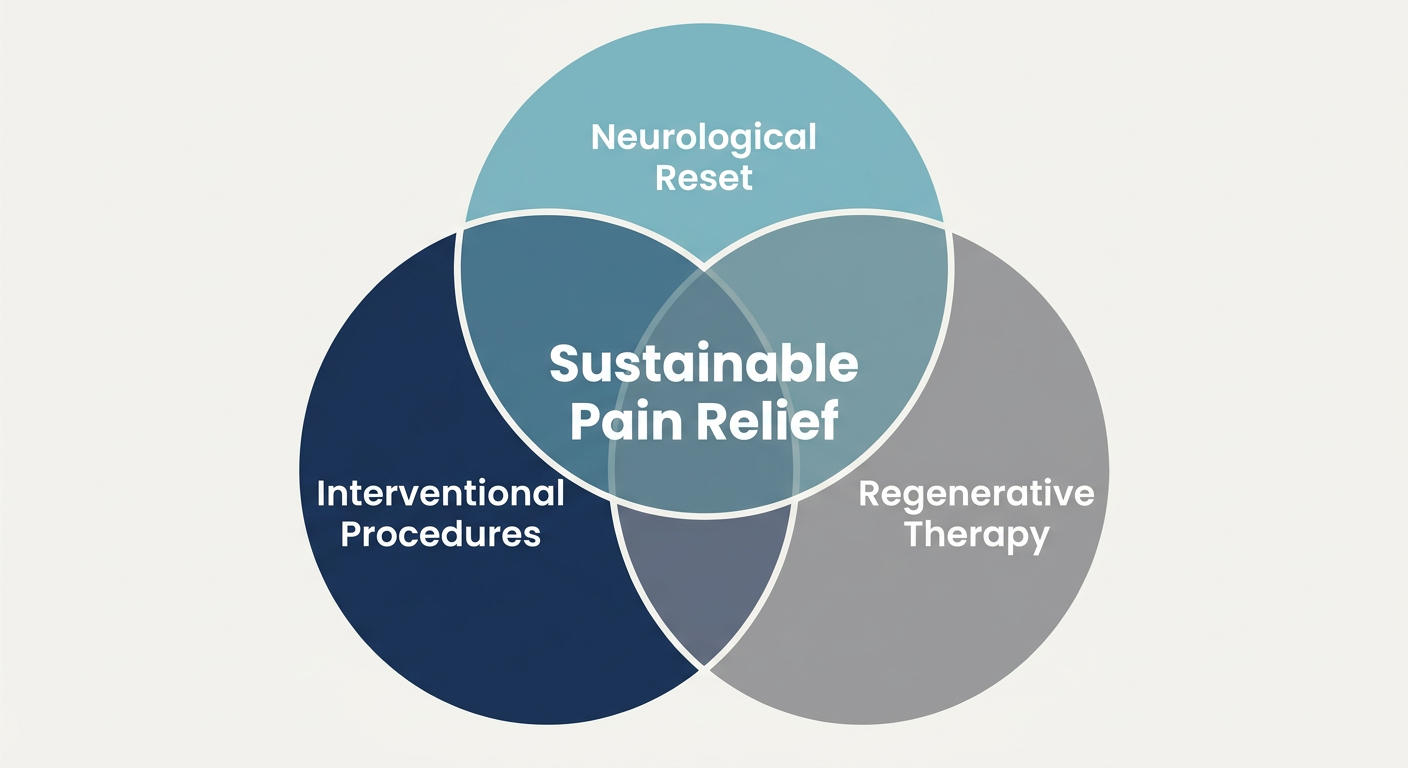
The key is matching specific treatments to your specific presentation. A patient with dominant trigger point pain responds differently than one with primarily nerve-mediated symptoms. This individualized approach—based on careful diagnosis—separates effective fibromyalgia treatment from the “try this medication and see” frustration many patients know too well.
Can Regenerative Medicine Help Fibromyalgia?
Regenerative medicine offers promising benefits for the inflammatory and soft tissue components of fibromyalgia. Amniotic stem cell therapy delivers concentrated anti-inflammatory factors that may help calm the chronic low-grade inflammation contributing to widespread pain. At Arizona Pain and Spine Institute, Dr. Khan and Dr. Ryklin evaluate whether stem cell therapy in Arizona may complement other treatments in your fibromyalgia management plan.
While regenerative approaches don’t “cure” fibromyalgia—no treatment does—they address underlying dysfunction rather than simply blocking pain signals. Many patients experience reduced flare frequency and intensity after regenerative treatments.
Why Choose a Pain Specialist Over a Primary Care Doctor for Fibromyalgia?
Primary care physicians play an important role in fibromyalgia diagnosis and initial management, but board-certified interventional pain specialists like Dr. Khan and Dr. Ryklin offer procedures and expertise beyond standard medication management. They can perform nerve blocks, trigger point injections, regenerative medicine treatments, and other interventional procedures that address pain mechanisms directly.
Patients who have plateaued on medication therapy often find new relief through interventional approaches—the specialized tools in a pain management physician’s practice that general practitioners simply don’t have access to.
Frequently Asked Questions About Fibromyalgia Treatment
What is the best treatment for fibromyalgia pain in Scottsdale?
The most effective fibromyalgia treatment combines multiple approaches tailored to your specific symptoms. Dr. Khan and Dr. Ryklin often recommend trigger point injections, nerve blocks, and regenerative medicine as part of a comprehensive plan—moving beyond medication-only approaches that many patients find inadequate for meaningful relief.
Does Arizona Pain and Spine Institute accept insurance for fibromyalgia treatment?
Yes, Arizona Pain and Spine Institute accepts most major insurance plans for fibromyalgia treatment. The practice also offers the FastTrack cash-pay program for patients who prefer same-day access without waiting for insurance pre-authorization—particularly valuable when severe flare-ups demand immediate intervention.
How is fibromyalgia treated without opioids?
Non-opioid fibromyalgia treatment at Arizona Pain and Spine Institute includes trigger point injections, nerve blocks, stellate ganglion block, and regenerative medicine therapies. Dr. Khan and Dr. Ryklin prioritize treatments that address pain mechanisms directly rather than relying on systemic medications with significant side effect profiles.
Can I get same-day fibromyalgia treatment in the Phoenix area?
Through the FastTrack cash-pay program, Arizona Pain and Spine Institute offers same-day appointments for fibromyalgia evaluation and treatment. This option serves patients throughout Scottsdale, Phoenix, Chandler, Tempe, and the East Valley who need rapid access without insurance delays. Call (480) 986-7246 to inquire about same-day availability.
How long does it take to see results from fibromyalgia treatment?
Results vary by treatment type and individual response. Trigger point injections often provide relief within 24-72 hours. Nerve blocks may show progressive improvement over 1-2 weeks. Regenerative medicine treatments typically require 2-6 weeks for optimal effect as your body’s healing processes activate. Dr. Khan and Dr. Ryklin set realistic expectations during your consultation.
Take the First Step Toward Fibromyalgia Relief
Fibromyalgia doesn’t have to define your life. With modern interventional therapies, many patients find relief they never thought possible—reducing pain, improving sleep, and reclaiming activities they had given up. Dr. Khan and Dr. Ryklin at Arizona Pain and Spine Institute create individualized treatment plans focused on your specific symptoms, lifestyle, and goals.
Call (480) 986-7246 or schedule online to begin your consultation. Arizona Pain and Spine Institute serves Scottsdale, Phoenix, Mesa, Gilbert, Queen Creek, Chandler, Tempe, and the greater East Valley from three convenient locations.
The statements on this blog are not intended to diagnose, treat, cure, or prevent any disease. The information provided reflects published medical research and Arizona Pain and Spine Institute’s clinical expertise. Individual results vary based on condition, severity, and treatment response. Always consult Dr. Khan, Dr. Ryklin, or your personal physician for specific medical advice. For appointments, call (480) 986-7246 or visit gotpainarizona.com.