 Get an appointment within days, not weeks or months
Spinal Stenosis
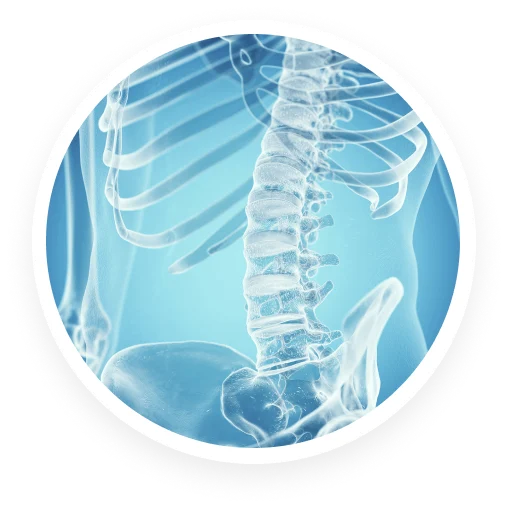
Lumbar spinal stenosis is the most common reason why individuals 65 or older have spinal surgery.

Allen Finney


Review
Young ladies behind the counter were nice and professional. Dr. Khan was and is awesome. You felt he really cared which I have not felt in the 2 years I've been injured. Only reason I did not give it 5 stars was the hard time I had finding it.

charles griffin

Review
Have been doing a wonderful job with help with my nerve pain, listen to me, and my request no to be put on pain killers but to help find the problem, always return calls so glad is was referred to them.

Stacey Mejia
Review
Awesome staff Dr. Kahn is a really good Doctor he listens and is a helping man!! I appreciate all of your guys work you do for your patients!! You even call to give reminder the day before your appointment! Again that's so awesome!!

Forrest Hammer
Review
NOTHING BUT THE BEST. ABLE TO WALK. ABLE TO PERFORM TASKS THAT I COULDN'T FOR A LONG TIME, LIKE DAILY WALKING, BENDING OVER, CARRYING GROCERIES AND ENJOYING A MOVIE AT THE CINEMA. THANK YOU DR. ASIM KAHN.

Jeanne Neathery
Review
Dr RYklin is amazing. He treats each patient as if you’re his only one. I’ve been seeing him for 7yrs due to a neck injury. He definitely finds what pain management meets your individual needs. The practitioners are amazing as well!!!!

Marty Klopper
Review
Pain Dr office. Staff is friendly and professional. Lots of paper work to be filled out. Office was clean and neat. Masks on Staff at all times and required for patients to enter. Will be going back for follow-up appointments.
What is spinal stenosis?
The spinal canal located at the rear of every vertebra has a large opening where the spinal cord travels, particularly in the thoracic and cervical regions of the spine. On the other hand, a group of nerve roots is located on the opening in the lumbar region. These openings that branch away from the spinal canal are called foramina. The foramina provide different paths used by the nerve roots traversing the spinal column to the other parts of the body.
Spinal stenosis impedes nerve functions, as one or more (foramina) openings narrow, creating a compression or harmful pressure on the vertebral bone causing pain in the spinal column and or in other body parts.
What are the symptoms of spinal stenosis?
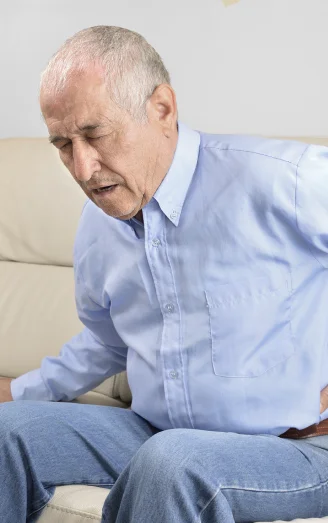
Spinal stenosis typically affects the lower back or neck. The most common symptoms include pain, numbness, and stiffness. The pain usually starts as an ache in the lower back which then shoot down to the buttocks and legs. Patients with sciatica may also experience “foot drop,” which is a painful leg weakness. Because of the pain and discomfort, the patient may experience a hard time walking or standing. In severe cases, sciatica weakens the nerves in the bowel or bladder.
What causes spinal stenosis?
Spinal stenosis is caused by the narrowing of the open spaces or openings in the spinal column that creates passageways for the spinal cord and the spinal nerve. The narrowing, or in some cases an intrusion into these gaps, can be a source of nerve compression. The cervical and lumbar areas are the most frequently affected regions of the spinal cord.
How is spinal stenosis treated?
Surgery Considerations
Those who have not experienced significant improvement from more conservative options may consider surgery. Some patients find spinal stenosis prevents them from participating in activities they enjoy or limits their ability to complete daily tasks. A lumbar laminectomy is the most common procedure. The success rate is an estimated 80% for this surgical option.
Lumbar Laminectomy
An open lumbar laminectomy, or decompression, is a procedure that requires a hospital stay of between one and four days. This may depend on the severity of the condition, how extensive the procedure is, the patient’s age, and other considerations. The process involves making an incision to access the troubled region of the spine.
The surgeon may relieve pressure by extracting bone, ligaments, and bone spurs. This allows increased space within the segments of the spine. The term laminoplasty refers to when the laminae are severed but not removed. When lacking stability, the surgeon may make a spinal fusion.
Minimally Invasive Decompression
Less invasive surgical options are an option that may allow patients to recover more rapidly. These involve smaller incisions and using scopes or imaging devices to assist with navigating the interior. This option is most appropriate for patients where the problem is concentrated in a smaller region of their spine.
Interspinous Process Devices
There are devices that can be implanted to create space and relieve spinal compression. Approval of this process occurred in 2005 and it is considered to be a minimally invasive option. Not all patients are good candidates for this method. Your medical provider will assist you when making this determination.
Rehabilitation
The majority of those who undergo a surgical procedure for spinal stenosis will be referred to physical therapy. Some of the goals of rehabilitation are to increase strength and flexibility. Often the strengthening of the abdominal muscles is successful in developing support for the back.
AZ Pain and Spine Institute
Spinal Stenosis Treatments
Here at Arizona Pain and Spine Institute, we improve our patients’ quality of life by alleviating and managing their pain. Some of our Spinal Stenosis treatments include:

Why choose AZ Pain and Spine Institute to treat your Spinal Stenosis?
We have a team of medical practitioners, pain management doctors, and staff who are experts on pain management, including Spinal Stenosis. We use state-of-the-art technology and effective approaches in achieving our mission. We care about your well-being and are committed to making your life pain-free.